
The Cashless Revolution: The Rise of Contactless Payments and Digital Wallets

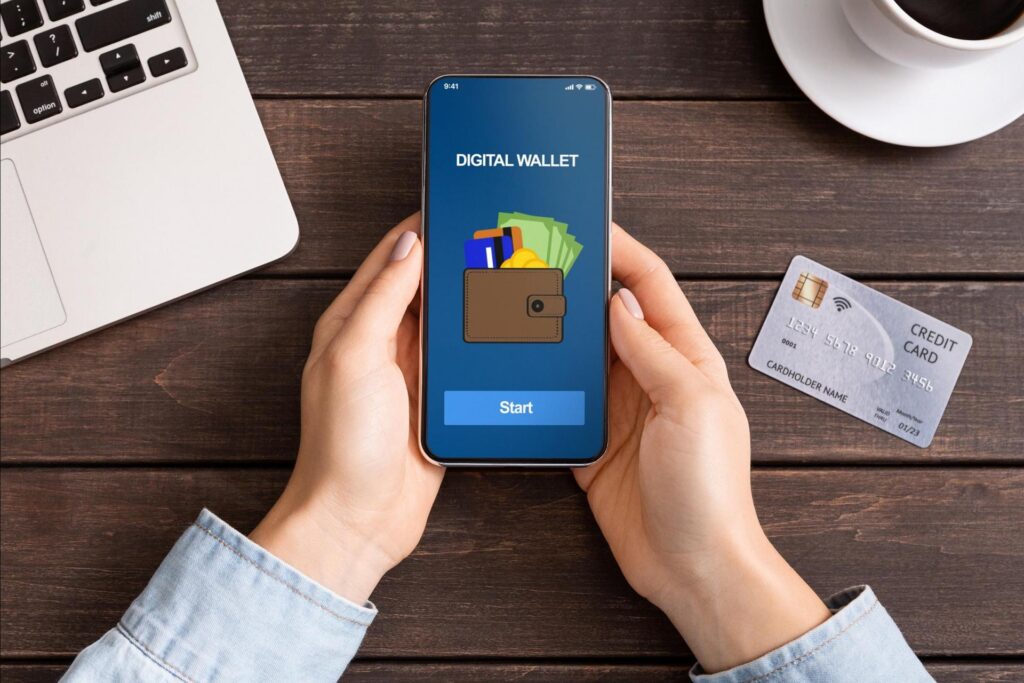
Not too long ago, leaving the house required a routine mental checklist: keys, phone, and wallet. Today, that last item is rapidly becoming optional. From bustling metropolitan transit systems to local farmers' markets, the way we exchange value has undergone a profound transformation. The traditional leather wallet, stuffed with paper bills and plastic cards, is being replaced by lines of code, encrypted radio waves, and biometric authentication.
The rise of contactless payments and digital wallets is not just a trend of convenience; it represents a fundamental shift in the global financial ecosystem. This article explores the catalysts behind this revolution, the technologies driving it, the benefits and challenges it presents, and what the future holds for the world of cashless commerce.
The Catalysts of Change
While the technology underpinning digital wallets has been developing for over a decade, its mainstream adoption was drastically accelerated by a perfect storm of consumer demand, technological readiness, and unprecedented global events.
1. The Pandemic Accelerator
Before 2020, contactless payment was a growing convenience. During the COVID-19 pandemic, it became a public health necessity. Consumers and retailers alike sought to minimize physical contact, steering clear of paper cash and shared PIN pads. Regulatory bodies and banks globally responded by raising the financial limits on contactless card transactions, permanently shifting consumer habits toward "tap-and-go" methods.
2. The Smartphone Ubiquity
The proliferation of smartphones equipped with advanced biometric security (like facial recognition and fingerprint scanning) provided the perfect infrastructure for digital wallets. Because consumers already carried these devices everywhere, integrating financial tools into them felt like a natural evolution rather than an intrusive tech adoption.
3. Generation Z and Mobile-First Consumers
A new generation of consumers is driving the market. Gen Z and Millennials, who grew up in an interconnected digital world, prioritize speed, seamless user experiences, and integration. For these demographics, traditional banking methods often feel slow and outdated.
Understanding the Tech: How It Works
To understand why digital wallets and contactless payments are so secure and efficient, it helps to look at the underlying technology. It relies on a combination of hardware and sophisticated software protocols.
Near Field Communication (NFC)
At the heart of most contactless transactions is Near Field Communication (NFC). This is a short-range wireless technology that allows two devices—such as your smartphone and a payment terminal—to communicate when held within a few centimeters of each other.
Tokenization: The Shield of Privacy
One of the biggest misconceptions about digital wallets is that they share your actual credit card number with the merchant. They do not. Instead, they use a process called tokenization.
When you load a card into a digital wallet, the financial institution replaces your sensitive card details with a unique, randomly generated string of numbers called a "token." When you make a purchase, this token is transmitted instead of your real data. Even if a cybercriminal intercepts the transaction data, the token is completely useless to them.
Biometric Security
Unlike a physical card that can be used by anyone who steals it, digital wallets are locked behind layers of biometric authentication. A stolen phone cannot be easily used to buy goods unless the thief can replicate the owner's fingerprint or facial geometry.
Comparing the Giants of the Digital Wallet Space
The market is currently dominated by a mix of tech giants and fintech pioneers. Here is a quick look at how the leading platforms stack up:
| Digital Wallet | Primary Ecosystem | Key Security Features | Major Advantage |
| Apple Pay | iOS / Apple Devices | FaceID, TouchID, Tokenization | Seamless integration with Apple hardware and privacy-focused policies. |
| Google Wallet | Android / Cross-platform | Device Lock, Remote Wipe, Tokenization | High compatibility across a massive variety of Android devices globally. |
| PayPal / Venmo | Agnostic (Web & App) | Two-Factor Authentication, Buyer Protection | Excellent for peer-to-peer (P2P) transfers and online retail. |
| Samsung Pay | Samsung Devices | Samsung Knox, Biometrics, Tokenization | Historical inclusion of MST technology helped it bridge the gap with older terminals. |
The Benefits to the Global Economy
The transition away from physical currency offers significant advantages to various stakeholders in the economic ecosystem.
- For Consumers: The primary benefit is frictionless convenience. Transactions take seconds, loyalty cards can be automatically applied, and there is no need to carry bulky wallets or count change.
- For Merchants: Speedier checkouts mean shorter lines and reduced cart abandonment rates. Furthermore, digital transactions lower the costs associated with handling, transporting, and securing physical cash.
- For Banks and Governments: Digital payments create a transparent, traceable audit trail. This drastically reduces the scope of the shadow economy, making tax evasion, money laundering, and counterfeiting significantly harder to execute.
Challenges and the Digital Divide
Despite the overwhelming momentum, the road to a completely cashless society is not without its hurdles. To maintain a balanced perspective, we must look at the challenges this technology faces.
1. Cybersecurity Concerns
While tokenization and biometrics make digital wallets safer than physical cards in many ways, they are not immune to threats. Phishing scams, malware designed to intercept device data, and sophisticated social engineering tactics remain persistent threats to consumers.
2. The Risk of Financial Exclusion
A cashless world risks leaving vulnerable populations behind. The "unbanked" or "underbanked"—individuals who lack access to traditional bank accounts or stable internet connections—can find themselves locked out of basic economic participation. Elderly populations may also struggle with the digital literacy required to manage virtual wallets.
3. Infrastructure Disparities
While urban centers brag about widespread contactless adoption, rural areas and developing nations often lack the robust cellular networks and updated point-of-sale (POS) terminals required to support a fully digital payment infrastructure.
The Future: What Lies Beyond the "Tap"?
The evolution of digital wallets is far from over. In the coming years, we can expect these platforms to transform from simple payment tools into comprehensive digital identity ecosystems.
Super-Apps and All-in-One Identity
Following the model of Asian "Super-Apps" like WeChat Pay and Alipay, Western digital wallets are expanding their scope. In the near future, your digital wallet will not just hold your visa card; it will securely store your driver's license, digital passport, health insurance information, event tickets, and smart car keys.
Integration of Cryptocurrencies and CBDCs
As central banks around the world experiment with Central Bank Digital Currencies (CBDCs), digital wallets will serve as the primary gateway for citizens to access and spend these official digital currencies. Similarly, mainstream wallets are increasingly allowing users to hold, buy, and transacts using stablecoins and established cryptocurrencies.
IoT and Invisible Payments
With the Internet of Things (IoT), payments will become ambient. Imagine your smart refrigerator automatically ordering and paying for milk when it runs low, or your connected car paying for parking and tolls autonomously as you drive. The payment itself will become invisible, integrated seamlessly into the background of daily activities.
Conclusion
The rise of contactless payments and digital wallets is more than a technological milestone; it is a cultural and economic shift that is redefining our relationship with value. While challenges regarding security and financial inclusivity must be actively managed, the benefits of a faster, more secure, and highly efficient financial infrastructure are undeniable.
As the physical wallet slowly transitions into a relic of the past, the digital wallet stands ready to take its place—not just as a tool for commerce, but as the central hub of our digital identities in an increasingly connected world.
Related