
Seamless Spending: How Digital Wallets Are Redefining Financial Convenience

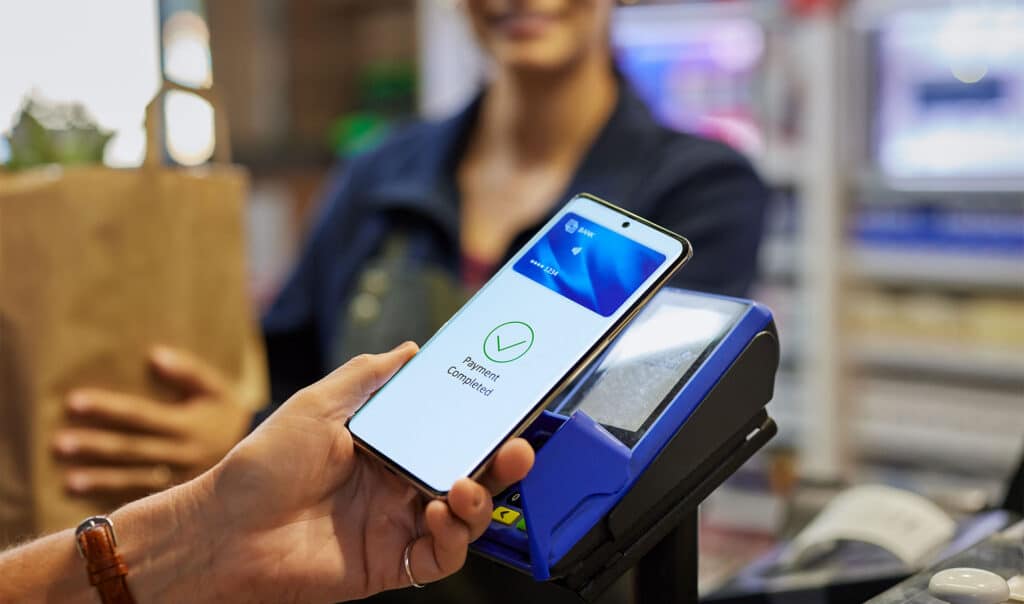
In an era defined by rapid technological evolution, the way we interact with money has undergone a profound transformation. Gone are the days when leaving the house required a physical checklist: keys, phone, and a bulky wallet stuffed with plastic cards, paper receipts, and loose change. Today, that entire ecosystem has been distilled into a single, secure application on our smartphones.
Digital wallets—such as Apple Pay, Google Wallet, Samsung Wallet, and PayPal—have shifted from being a trendy tech novelty to an indispensable financial utility. By merging cutting-edge security with unparalleled accessibility, digital wallets are fundamentally improving daily financial convenience for millions around the globe.
What is a Digital Wallet?
At its core, a digital wallet (or e-wallet) is a software application that securely stores a user’s payment information, including credit cards, debit cards, bank account details, and even loyalty cards, boarding passes, and identification. Instead of physically swiping a card, users can complete transactions using their smartphone, smartwatch, or computer.
This financial revolution relies on two primary technologies:
- Near Field Communication (NFC): A short-range wireless technology that allows devices to share data over a distance of a few centimeters, powering contactless in-store payments.
- Quick Response (QR) Codes: Scannable codes that instantly route payments between consumers and merchants, widely popular in global markets.
1. Frictionless Transactions: The Ultimate Time-Saver
The most immediate benefit of a digital wallet is the sheer speed of transactions. Consider the traditional retail checkout process: rummaging through a bag, pulling out a physical wallet, selecting the right card, inserting it into a terminal, entering a PIN, and waiting for authorization.
With a digital wallet, this multi-step process is reduced to a fraction of a second. A simple tap of a phone or smartwatch against a payment terminal authorizes the transaction instantly via biometric authentication (like Face ID or a fingerprint scan).
This frictionless experience is not limited to brick-and-mortar stores. For online shopping, digital wallets eliminate the tedious task of manually typing in 16-digit card numbers, expiration dates, and billing addresses on small mobile screens. With a single click, the digital wallet autofills verified information, drastically reducing cart abandonment rates for businesses and saving precious time for consumers.
2. All-in-One Centralization
The modern wallet contains far more than just money, and digital wallets have evolved to reflect that. Beyond credit and debit cards, digital wallets act as a centralized hub for a user’s entire daily routine.
Loyalty Programs and Rewards
How often have you missed out on discounts because you left a store’s loyalty card at home? Digital wallets automatically integrate reward programs. When you tap to pay, your loyalty points are updated simultaneously, ensuring you never miss a deal.
Digital Ticketing and Transit
From boarding passes for international flights to daily subway tickets, digital wallets streamline transit. Commuters in major global cities can simply tap their phones at turnstiles, bypassing ticket vending machines entirely.
Identification and Digital Keys
The latest iterations of digital wallets allow users to store government-issued IDs, driver’s licenses, corporate badges, and even digital car keys. By consolidating these essentials, the need for a physical wallet is completely eradicated.
3. Enhanced Security and Peace of Mind
A common misconception among tech-skeptics is that digital wallets are less secure than physical cards. In reality, digital wallets are significantly more secure than traditional plastic.
When a physical card is lost or stolen, anyone who finds it can potentially use it for unauthorized contactless payments or online fraud. If you lose your smartphone, however, your digital wallet remains locked behind layers of biometric security (facial recognition, fingerprint scans) and device PINs.
Furthermore, digital wallets utilize a security process called tokenization:
How Tokenization Works: When you add a credit card to a digital wallet, the actual card number is never stored on the device or shared with the merchant. Instead, the system generates a unique, encrypted alternative number called a "token." During a transaction, only this token is transmitted. Even if a hacker breaches a merchant's database, they only steal a useless, single-use token rather than your actual financial data.
4. Simplified Expense Tracking and Financial Organization
Convenience isn't just about spending money faster; it’s also about managing it smarter. Traditional banking requires users to log into separate apps or wait for monthly statements to see where their money went.
Digital wallets provide instant gratification through real-time push notifications. The moment a transaction occurs, a notification pops up detailing the exact amount spent and the merchant's name.
Additionally, most e-wallet apps categorize spending automatically (e.g., Groceries, Dining, Travel) and generate intuitive visual charts. This real-time feedback loop gives users immediate insight into their financial habits, making budgeting effortless and preventing accidental overspending.
5. Global Accessibility and Financial Inclusion
For international travelers, digital wallets eliminate a massive layer of friction. Instead of carrying large amounts of foreign cash or notifying multiple banks about overseas travel to avoid blocked cards, digital wallets adapt seamlessly to global payment networks. Currencies are converted automatically at competitive, transparent rates during the tap-to-pay process.
Moreover, in developing economies, mobile wallets have been a driving force for financial inclusion. Millions of unbanked individuals who lack access to traditional brick-and-mortar banks now have access to a secure financial ecosystem through simple digital wallet platforms. This accessibility allows users to receive wages, pay bills, and send money to family members instantly, without the need for expensive wire services.
The Future of Everyday Finance
The trajectory of digital wallets points toward absolute integration. As artificial intelligence advances, future digital wallets will likely act as proactive financial assistants—suggesting which stored card offers the best cashback rewards for a specific purchase, or automatically setting aside money for recurring bills.
As businesses—from small street vendors to mega-corporations—continue to adopt contactless infrastructure, the physical wallet is rapidly becoming an artifact of the past.
Conclusion
Digital wallets have fundamentally redefined financial convenience. By replacing a pocketful of plastic with an ecosystem that is faster, more secure, highly organized, and universally accessible, they do more than just facilitate payments—they give users control over their most valuable asset: time. Embracing the digital wallet revolution is no longer just about staying up-to-date with technology; it is about stepping into a more efficient, streamlined, and secure lifestyle.
Related