
The Future of Cashless Societies and Digital Wallets

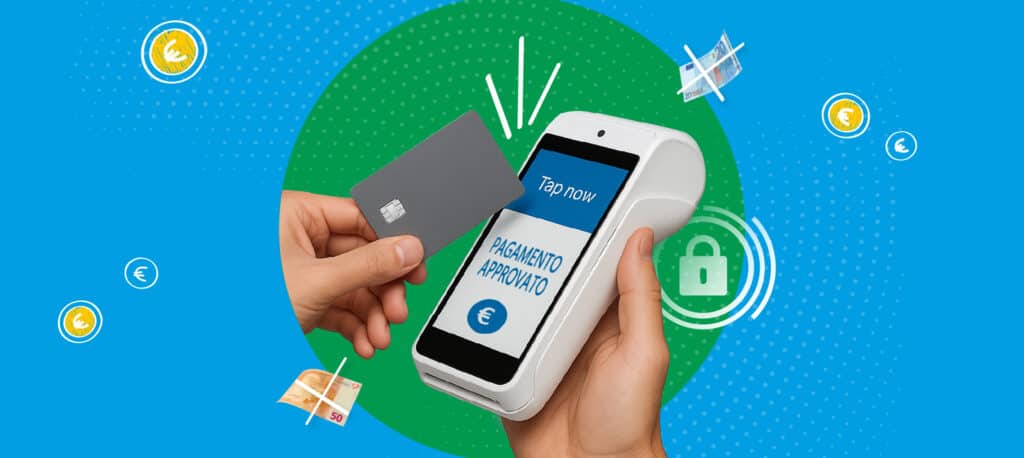
The world is undergoing a profound structural shift in how value is exchanged, stored, and managed. Physical cash, once the undisputed pillar of global commerce, is rapidly giving way to digital infrastructure. At the heart of this financial transformation sits the digital wallet—a technology that has evolved far beyond a simple mobile repository for credit card tokens to become an all-in-one financial dashboard, identity vault, and commerce hub.
As central banks, fintech platforms, and consumer habits align toward a cashless future, understanding the trajectory of digital payments is crucial for businesses, investors, and everyday consumers alike.
The Global Acceleration Toward Cashless Ecosystems
The decline of physical currency is no longer confined to tech-forward hubs; it is a globally synchronized trend. Across both developed and emerging markets, cashless transactions are breaking historical records, driven by expanding smartphone penetration, ubiquitous QR code adoption, and robust contactless infrastructure.
- Mass Adoption Milestones: Global digital wallet adoption has crossed the 5 billion user threshold, representing over half of the world's population. Digital wallets now account for over 50% of global e-commerce spend and a rapidly expanding majority of point-of-sale (POS) transactions.
- Generational Shifts: Younger cohorts, particularly Gen Z and Gen Alpha, exhibit a near-total preference for digital payment rails. Physical cash usage among younger demographics has plummeted to single digits, cementing digital payments as the default standard for future generations.
- Emergence of Superapps: In regions such as Asia-Pacific and Latin America, digital wallets have morphed into "superapps"—single applications that bundle peer-to-peer (P2P) transfers, e-commerce, transit ticketing, micro-lending, and investment tools.
Next-Generation Innovations: What Drives the Next Era?
The digital wallet of tomorrow will look drastically different from the basic payment apps of the past decade. Five core technological vectors are reshaping the space:
+-------------------------------------------------------------------+
|               THE DIGITAL WALLET EVOLUTION MATRIX                  |
+-------------------------------------------------------------------+
| 1. Artificial Intelligence & Agentic Commerce                     |
| 2. Biometrics & Advanced Tokenization                             |
| 3. Central Bank Digital Currencies (CBDCs)                        |
| 4. Digital Identity & Credential Storage                          |
| 5. Embedded Finance & Real-Time Open Banking                      |
+-------------------------------------------------------------------+
1. Artificial Intelligence and Agentic Commerce
The integration of artificial intelligence (AI) is transforming digital wallets from reactive tools into proactive financial advisors. Algorithms analyze spending patterns to offer real-time budgeting advice, predict monthly cash flow bottlenecks, and automatically move idle funds into yield-bearing accounts.
Furthermore, the rise of agentic commerce enables AI agents to execute transactions on behalf of users—such as negotiating subscriptions, ordering household staples at optimal prices, or booking travel within predefined spending parameters.
2. Biometric Authentication & Behavioral Security
As payment friction decreases, security models must evolve. Traditional passwords and SMS-based two-factor authentication are being replaced by biometric verification—facial recognition, palm scanning, and behavioral biometrics (how a user holds or taps their device). Coupled with network tokenization, which replaces raw card details with dynamic cryptographic tokens, digital wallets offer significantly higher defense against fraud than legacy plastic cards.
3. Unified Digital Identity Vaults
Digital wallets are expanding beyond financial value to store digital IDs, driver's licenses, health records, travel credentials, and event tickets. This convergence turns the mobile phone into a single, secure key for both physical access and digital authorization.
CBDCs and the Cross-Border Revolution
One of the largest friction points in modern finance remains cross-border payments, which historically suffered from high correspondent banking fees, delayed settlement times, and opaque exchange rates. Cashless architecture is addressing this in two distinct ways:
- Central Bank Digital Currencies (CBDCs): Dozens of central banks globally are researching, piloting, or deploying sovereign digital currencies. Unlike decentralized cryptocurrencies, CBDCs are risk-free legal tender backed directly by central banks. When integrated into consumer digital wallets, CBDCs enable instant, low-cost peer-to-peer and merchant settlements without intermediary delays.
- Interoperable Real-Time Payment Networks: Initiatives linking national instant payment systems (such as India's UPI, Brazil's Pix, and Europe's TIPS) allow users to scan a foreign merchant's QR code and settle payment instantly in their home currency at near-interbank rates.
Critical Challenges on the Horizon
While the transition to a cashless society brings undeniable efficiency, speed, and transparency, it also presents significant economic and ethical hurdles that policymakers and technology builders must address.
| Challenge | Impact | Key Mitigation Strategy |
| Financial Inclusion & Digital Divide | Vulnerable populations, elderly citizens, and unbanked rural regions risk exclusion if cash is completely eliminated. | Mandating cash acceptance for essential services and building offline digital payment options. |
| Cybersecurity & Systemic Risk | Centralized digital networks create high-value targets for cyberattacks, system outages, and infrastructure failures. | Multi-cloud redundancy, localized offline cryptographic settlement, and advanced AI threat detection. |
| Privacy & Surveillance Concerns | Unlike anonymous physical cash, every digital transaction leaves a traceable electronic footprint. | Privacy-preserving cryptography (e.g., zero-knowledge proofs) built into wallet architecture and CBDC designs. |
| Merchant Cost Structures | High interchange fees from legacy payment rails can burden small and medium enterprises (SMEs). | Direct account-to-account (A2A) open banking payments that bypass traditional card network fees. |
The Road Ahead: A Balanced Economic Ecosystem
A 100% cashless society may remain a gradual policy goal rather than an overnight reality, but the momentum is irreversible. Cash will increasingly serve as a backup mechanism or niche alternative, while digital wallets solidify their status as the dominant operating system for commerce.
Key Takeaway: The winner in the digital wallet ecosystem will not necessarily be the app with the most features, but the platform that builds the strongest trust through zero-friction UX, uncompromising security, and meaningful user privacy protection.
For businesses, adapting to this cashless reality requires integrating flexible payment gateways that support local payment methods, biometrics, and real-time settlements. For individuals, the future promises unprecedented control over personal finances, seamlessly integrated into the fabric of daily digital life.
Related