
The Impact of Digital Wallets on Consumer Spending

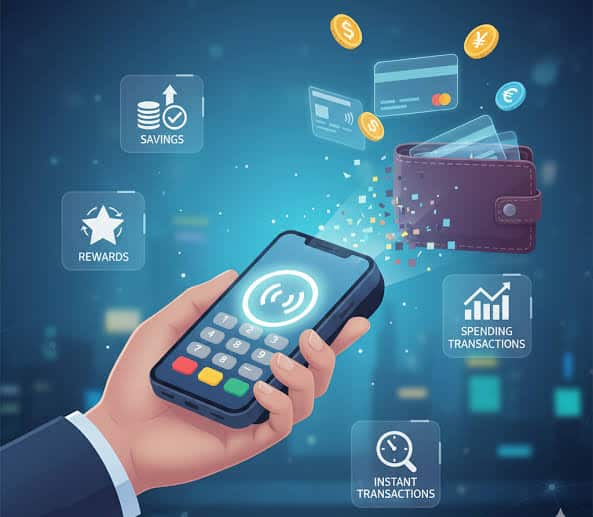
The global payment landscape has undergone a monumental shift. Cash is no longer king, and traditional plastic credit cards are increasingly taking a backseat to mobile devices. Digital wallets—such as Apple Pay, Google Pay, PayPal, and regional heavyweights like Pix and ShopeePay—have evolved from convenient alternatives into the dominant force in global commerce.
According to data from the 2026 Global Payments Report, digital wallets accounted for 56% of global e-commerce spend and 33% of in-person transactions in 2025. As these platforms smoothly merge identity, banking, and commerce, they do more than change how we pay—they deeply alter how much and how frequently we spend.
1. Erasing Transaction Friction: The "One-Tap" Catalyst
The most direct psychological impact of digital wallets on consumer spending is the removal of transaction friction. In traditional commerce, the "pain of paying" is a documented psychological barrier. Handing over physical banknotes or manually typing in a 16-digit credit card number with billing addresses creates cognitive checkpoints. These moments force the consumer to pause and evaluate the financial impact of their purchase.
Digital wallets effectively eliminate these check-points through features like:
- Biometric Authentication: FaceID or fingerprint recognition authorizes payments in milliseconds.
- Stored Credentials: One-click checkouts bypass repetitive data entry entirely.
- Universal Offline Integration: Near Field Communication (NFC) allows consumers to tap their smartphones or smartwatches at point-of-sale (POS) terminals without pulling out a physical wallet.
By transforming a multi-step transaction into a seamless, near-instantaneous reflex, digital wallets reduce spending restraint. Research published in the International Journal of Marketing & Human Resource Management highlighted that over 63% of digital wallet users acknowledged an increase in their impulse buying tendencies due to this friction-free process.
2. The Illusion of Liquidity and "Monopoly Money"
Beyond speed, digital wallets change how we perceive wealth. Behavioral economics reveals that abstract representations of money are spent more loosely than physical currency. When money is digitized into an app interface, it can create what economists call an illusion of liquidity.
When funds are tied up in digital ecosystems, credit limits, or automatic top-ups, the money begins to feel like "points" or "Monopoly money." Because consumers do not see their physical cash reserves dwindling, the immediate perceived cost of an item drops.
This psychological detachment is heavily reinforced by modern application trends:
[Traditional Cash]  --> Highly Visible Depletion --> High Spending Restraint
[Digital Wallet]    --> Invisible Digital Flow   --> Lower Spending Restraint
A 2025 consumer study by Ipsos confirmed that when consumers switched their primary spending mechanism from cash or standalone plastic cards to fully integrated digital wallets, 43% of users shifted into higher monthly spending brackets. The convenience of digital balances alters individual budgeting baselines, normalizing higher daily transaction volumes.
3. The Proliferation of Microtransactions and Subscriptions
Digital wallets have laid the perfect infrastructure for the massive growth of microtransactions and recurring subscription models. Historically, charging a consumer $0.99 for an in-app feature or a premium media article was inefficient due to steep processing fees and user resistance to checkout friction.
Digital wallets overcome these hurdles by lowering operational barriers and offering saved payment profiles. Consequently, consumer spending patterns have shifted toward fragmented, ongoing expenditures:
- Micro-purchases: Seamless digital payments have turned casual gaming additions, digital media tips, and app extensions into multi-billion-dollar streams.
- Automated Subscriptions: Streaming services, software-as-a-service (SaaS) platforms, and monthly delivery clubs rely heavily on digital wallets to execute automated, recurring billing.
While a single $5 or $10 monthly deduction seems inconsequential to a user at the point of authorization, the aggregation of multiple automated subscriptions significantly inflates fixed monthly spending.
4. Hyper-Personalized Loyalty Programs and Gamification
Modern digital wallets are far more than passive storage for credit cards; they function as holistic financial ecosystems. Many leading applications integrate merchant networks, localized coupon finders, and direct cashback mechanics into their home screens.
+-------------------------------------------------------+
|                 Modern Digital Wallet                 |
+-------------------------------------------------------+
|  [Payment Engine]  -->  [NFC / QR Code Checkout]      |
|  [Data Analytics]  -->  [Track Spending Habits]       |
|  [Marketing Hub]   -->  [Personalized Brand Offers]   |
+-------------------------------------------------------+
By leveraging user data analytics, digital wallet providers deliver hyper-targeted promotions based on exact purchasing history. If an app detects that a user regularly buys coffee at 8:30 AM, it can surface a geo-targeted, time-sensitive discount code for a nearby cafe at 8:15 AM.
Furthermore, many platforms gamify the spending experience. Earning points, unlocking scratch cards, or watching a digital progress bar fill up toward a cashback milestone triggers a dopamine loop. Consumers are actively incentivized to spend money through the wallet to maximize their perceived rewards, masking the actual outflow of cash.
5. The Dual Nature: Budgeting Tools vs. Overspending
While the immediate effect of digital wallet adoption leans toward increased spending, these platforms also provide sophisticated mechanisms for financial oversight. Unlike an unmonitored pocket of cash, a digital wallet records every transaction automatically.
Many consumer wallets feature built-in financial management tools, including:
- Real-Time Tracking: Push notifications immediately inform the user of the exact amount deducted and the remaining balance.
- Expense Categorization: Automated breakdown of monthly expenditures into clear buckets like "Food," "Transport," or "Entertainment."
- Smart Budget Limits: System alerts that warn users when they are nearing their self-imposed spending thresholds.
This sets up a clear paradox in consumer finance: the same tool that makes it incredibly easy to overspend also gives users the exact data required to budget perfectly. Academic surveys on student financial habits reveal that individuals with high digital financial literacy leverage these tracking systems to build healthy, highly disciplined spending practices. Conversely, users lacking disciplined oversight are highly vulnerable to impulsive debt.
Conclusion: Navigating the Cashless Future
Digital wallets have fundamentally redefined consumer behavior. By eradicating physical payment friction, gamifying loyalty, and driving the growth of subscription economies, they have naturally caused an increase in overall consumer spending and transaction frequencies.
As global commerce moves closer to a fully mobile-first future, the responsibility falls squarely on the consumer to adapt. Understanding the psychological triggers deployed by friction-free checkouts is essential. By combining the natural convenience of digital wallets with proactive financial literacy and the smart use of real-time budgeting tools, consumers can successfully harness the efficiency of digital ecosystems without falling into the traps of unchecked impulse spending.
Related