
Top Features to Look for in a Digital Wallet: A Guide to Secure, Smart Payments

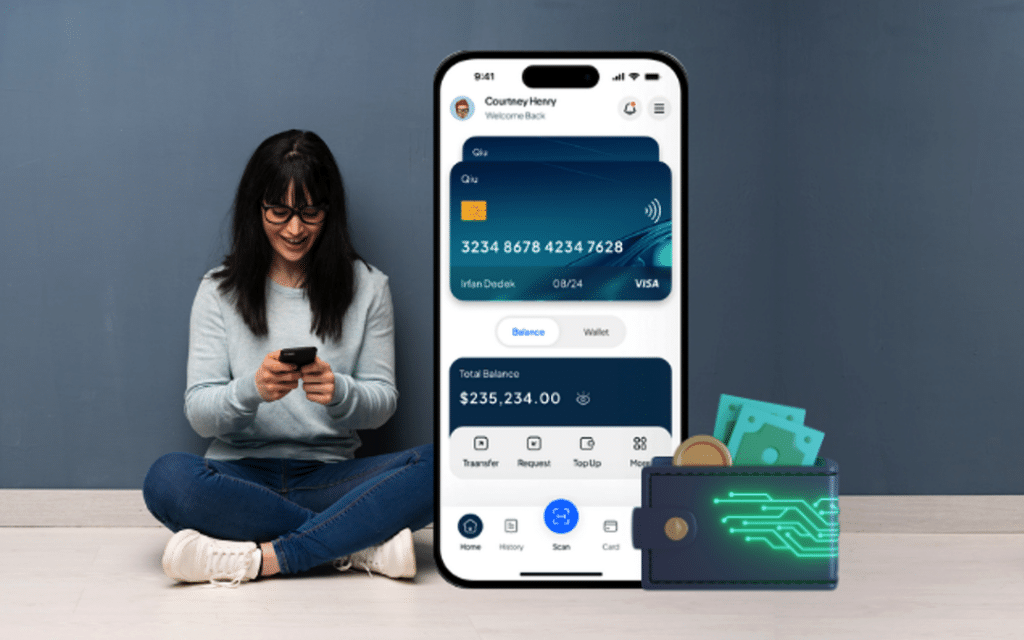
The global shift toward a cashless society is no longer a future projection—it is an everyday reality. Digital wallets have evolved from convenient smartphone novelties into comprehensive financial hubs. Today, they manage everything from credit cards and peer-to-peer (P2P) transfers to government-issued digital IDs and tokenized assets.
With dozens of mobile payment platforms competing for your smartphone's prime real estate, choosing the right provider requires looking beyond basic "tap-to-pay" functionalities. A modern electronic wallet must balance frictionless user experience with institutional-grade security.
Whether you are consolidating your physical cards or exploring advanced financial ecosystems, these are the top features to look for in a digital wallet.
1. Advanced Multi-Layered Security Architecture
Security is the non-negotiable foundation of any fintech application. A premium digital wallet must employ a defense-in-depth model that protects your sensitive banking credentials from merchant data breaches and device theft.
Tokenization and Encryption
Never select a wallet that stores or transmits your actual 16-digit credit card numbers. Instead, look for platforms that utilize tokenization. This technology replaces your real payment details with a randomized, one-time alphanumeric string (a token) during transactions. Even if a merchant’s point-of-sale system suffers a data breach, cybercriminals only intercept useless, single-use data.
Multi-Biometric Protocols
While standard fingerprint recognition or basic facial scanning remains common, next-generation digital wallets utilize multi-biometric authentication. The highest security tiers combine device-level facial recognition with behavioral biometrics or advanced hardware isolation (such as Apple's Secure Element or Google's StrongBox Keymaster via dedicated security chips).
Security Check: Ensure your chosen wallet enforces mandatory biometric validation for every individual transaction, rather than just requiring an initial app-unlock passcode.
2. Universal Ecosystem Compatibility & Open Banking Integration
A digital wallet is only as useful as its acceptance network. The ideal application bridges the gap between different financial rails and hardware systems.
Hardware Protocols (NFC)
Look for robust Near Field Communication (NFC) support, which enables seamless contactless payments across international payment terminals. If you travel frequently, ensure the wallet complies with global EMVCo standards to ensure it operates smoothly in different countries.
Open Banking and Unified Views
The most sophisticated neobank and digital wallet applications utilize Open Banking APIs. Instead of merely displaying your uploaded cards, these wallets connect directly to your traditional bank accounts. This gives you a singular, holistic view of your entire net worth, current balances, and multi-institution transaction histories directly within one application interface.
3. Intelligent Fraud Detection and AI-Driven Insights
Modern digital wallets do not just process payments; they actively analyze them to protect your capital and optimize your spending habits.
- Edge-AI Fraud Monitoring: Top-tier platforms employ real-time risk scoring. By analyzing your typical geographical footprint and purchasing cadences, the wallet can pre-emptively flag or temporarily freeze suspicious transactions—such as a sudden high-value transfer initiated from an unrecognized IP address.
- Predictive Analytics: Look for built-in financial management features. Advanced algorithms can predict upcoming recurring subscriptions, provide automated cashflow alerts to prevent bank overdraft fees, and suggest the lowest-cost payment routing mechanisms for international money transfers.
4. Virtual Card Issuance and Dynamic Spending Controls
Online shopping requires a unique layer of digital protection. E-commerce platforms are frequent targets for data harvesters, making static card details a distinct liability.
The best digital wallets allow users to spin up instant virtual cards. These temporary, software-generated cards pull funds directly from your main account but feature distinct numbers, expiration dates, and CVVs.
[Main Bank Funding Source]
       │
       ├─► Virtual Card A (Amazon Only) ──► Hard Spending Limit: $50/mo
       │
       └─► Virtual Card B (Subscription) ─► Single-Use Burner Card
Look for custom spending controls that allow you to:
- Freeze or delete a specific virtual card instantly without affecting your primary wallet.
- Set hard maximum spending caps on individual virtual merchants.
- Establish "burner" cards that automatically self-destruct immediately after a single transaction.
5. Comprehensive Asset Support: Storing More Than Currency
A true "wallet" should replace everything inside your physical pocket, not just your cash. The market is moving rapidly toward multi-functional super-apps that accommodate alternative digital credentials.
| Feature Classification | Target Assets & Capabilities |
|---|---|
| Identity & Access | Government-issued Digital IDs, driver's licenses, and workplace access badges. |
| Transit & Travel | Real-time transit passes, train tickets, and airline boarding passes with automated lock-screen updates. |
| Loyalty & Rewards | Closed-loop merchant cards (e.g., coffee shop apps), store reward points, and digital coupons that apply automatically at checkout. |
| Hybrid Currencies | Real-time conversion rails supporting fiat currencies, regulated stablecoins, and digital assets side-by-side. |
6. Remote Access and Device Recovery Protocols
Losing a smartphone can be a deeply stressful event. A crucial, often overlooked feature of any digital wallet ecosystem is its remote administrative infrastructure.
Your wallet provider must offer a secure web portal that allows you to manage your account from an external browser. In the event of device theft, you must have the ability to instantly freeze wallet functionalities or remotely wipe financial data without needing to cancel your underlying physical bank cards. Furthermore, look for cross-device synchronization capabilities that use encrypted cloud architecture to seamlessly restore your configurations once you activate a replacement device.
Summary: Making Your Decision
When evaluating your next digital wallet, prioritize an application that excels across these primary pillars: robust tokenized security, universal NFC acceptance, smart financial insights, and dynamic virtual card management. By selecting a platform that proactively mitigates online fraud while streamlining your daily financial workflows, you ensure that your personal capital remains both accessible and thoroughly protected.
Related