
Understanding How Digital Wallets Work: The Technology, Security, and Future of Payments

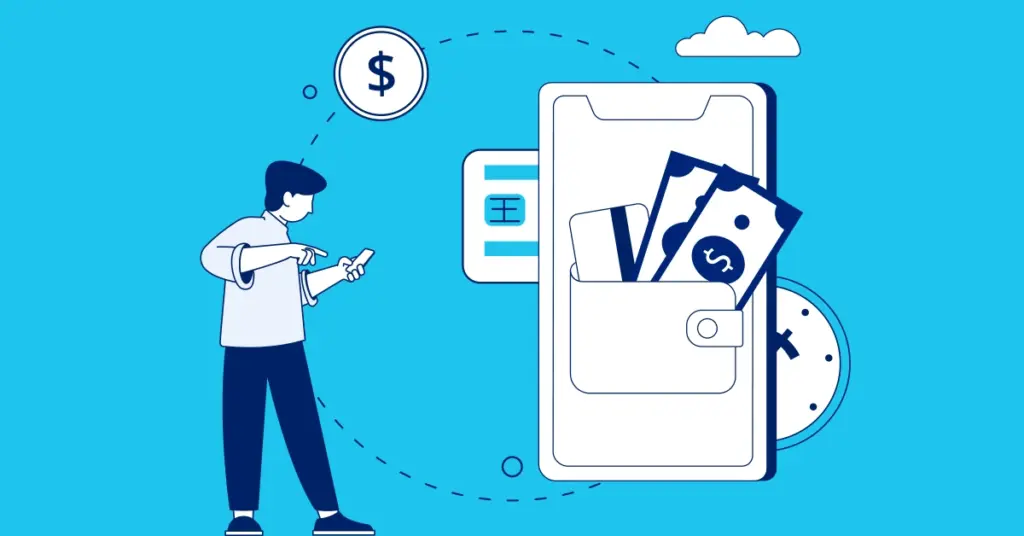
The global payment landscape has undergone a massive transformation. The days of carrying bulky leather wallets stuffed with plastic credit cards, paper receipts, and loose change are rapidly fading. In their place, digital wallets—also known as e-wallets or mobile wallets—have become the dominant tool for everyday transactions, online shopping, and peer-to-peer money transfers.
Despite their widespread adoption, many users remain unfamiliar with the underlying architecture that allows these applications to seamlessly and securely move money across the globe in milliseconds. Understanding the inner workings of digital wallets highlights why they are not only more convenient than traditional payment methods, but often significantly safer.
What Is a Digital Wallet?
At its core, a digital wallet is a software application, typically installed on a smartphone, smartwatch, or computer, that securely stores a user’s payment information, credentials, and digital assets.
Contrary to a common misconception, a digital wallet does not actually hold physical currency. Instead, it serves as an encrypted bridge between your traditional financial institution (like a bank or credit card issuer) and the point-of-sale (POS) terminal or online checkout gateway.
Modern digital wallets can store a wide array of items beyond standard credit and debit cards, including:
- Loyalty program rewards and gift cards
- Boarding passes and event tickets
- Government-issued digital identifications and driver's licenses
- Verified aliases for digital assets
The Core Technology: How Transactions Are Executed
When you hold your phone near a payment terminal or click a "Pay Now" button on an e-commerce website, a complex technical handshake occurs behind the scenes. This process relies on three primary communication and security frameworks.
1. Near Field Communication (NFC)
For physical, in-store transactions, mobile wallets rely heavily on Near Field Communication (NFC). This short-range wireless technology allows two devices—your smartphone and the merchant's payment terminal—to exchange data when placed within a few centimeters of each other. NFC operates on a specific radio frequency, establishing a localized and temporary connection to initiate the data transfer.
2. Quick Response (QR) Codes
Commonly utilized in open banking frameworks and regional payment networks, QR-code-based wallets operate through visual scanning. Either the merchant displays a dynamic QR code containing the transaction details for the user to scan, or the user presents a static wallet barcode to the merchant’s optical scanner. This method bypasses the need for specific hardware like NFC chips, making it highly accessible across various smartphone models.
3. Magnetic Secure Transmission (MST)
Though less common in newer devices, some digital wallet providers utilize Magnetic Secure Transmission (MST). This technology emits a magnetic signal that mimics the magnetic stripe on a traditional plastic card. It allows smartphones to interact with older, legacy payment terminals that do not feature built-in NFC capabilities.
The Security Paradigm: Tokenization and Encryption
The primary concern for most users adopting digital payment technology is security. A common question arises: If my credit card details are stored on my phone, what prevents a bad actor or malware from stealing them during a transaction?
The answer lies in two fundamental cryptographic principles: Tokenization and Biometric Authentication.
[Your Real Credit Card Number]
             │
             ▼ (Processed by Payment Network)
[Randomized 16-Digit "Token"]
             │
             ▼ (Sent via NFC/Web to Merchant)
[One-Time Cryptographic Code] ──► Verified by Bank ──► Payment Approved
The Mechanism of Tokenization
When you add a credit card to a reputable digital wallet, the software does not transmit or store your actual Primary Account Number (PAN). Instead, the wallet requests a randomized, unique 16-digit alternative number from your card issuer, known as a token.
When a transaction is initiated:
- The token is transmitted to the merchant instead of your real card details.
- Along with this token, the wallet generates a one-time cryptographic code unique to that specific transaction.
- If a malicious actor manages to intercept the data over the network, the intercepted token and code are completely useless for future transactions.
Biometric Gatekeeping
Even if a smartphone is physically stolen, accessing the digital wallet requires an immediate layer of biometric authentication. Whether using facial recognition, advanced fingerprint scanning, or palm-vein verification, these systems act as local hardware gates. The cryptographic keys required to sign the payment token are stored inside a isolated hardware environment on the phone—often called the Secure Element—which cannot be accessed by the main operating system or external software.
The Evolution: Convergence of Identity and Value
As the financial ecosystem matures, digital wallets are evolving from simple transaction portals into comprehensive identity and financial management hubs.
Seamless Authentication
The industry is moving toward a frictionless standard where identity verification and value transfer are unified into a single action. Rather than uploading photos of physical IDs or navigating complex password chains, decentralized digital identity wallets allow users to share government-verified credentials instantaneously to approve high-value transactions, reduce fraud, and streamline digital onboarding.
Embedded Intelligence
AI-driven defensive models operating on the network edge now analyze behavioral patterns, device signals, and biometric cues in milliseconds. This allows wallets to detect and intercept unauthorized transactions before they can be finalized. Furthermore, integrated predictive analytics provide users with localized tools for real-time risk scoring, automated budgeting, and contextual spending insights.
Summary of Digital Wallet Implementations
To contextualize how different architectures compare, the table below outlines the primary mechanisms used across the industry:
| Technology Type | Primary Use Case | Connection Mechanism | Core Benefit |
| NFC Wallets | In-store physical checkout | Short-range radio frequency | High speed, contactless, universally accepted at modern terminals. |
| QR/Open Banking | E-commerce & regional networks | Visual camera scanning | Low infrastructure cost, works on any camera-enabled device. |
| Web/Browser Wallets | Desktop online shopping | Encrypted cloud API | Eliminates manual form entry, reduces cart abandonment. |
Conclusion
Digital wallets represent a fundamental shift in how modern society interacts with currency and identity. By replacing exposed physical credentials with dynamic tokens, cryptographic validation, and biometric gatekeeping, this technology provides an elegant solution to the security challenges inherent in traditional payment systems.
As digital wallets continue to integrate decentralized identity verification, advanced artificial intelligence defenses, and predictive financial insights, they will solidify their role as the primary, secure gateway for global commerce.
Related