
The Future of Digital Wallets in Modern Payments: A Paradigm Shift in Global Finance

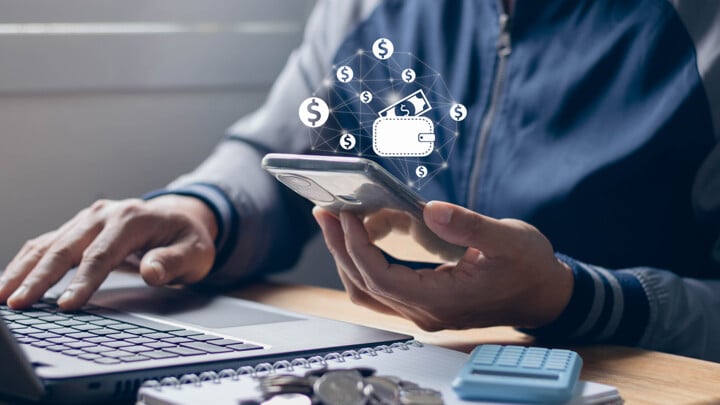
The landscape of financial transactions is undergoing its most significant transformation since the introduction of the credit card. The physical wallet, once a bulky repository for leather-bound cash and plastic, is rapidly being replaced by a sophisticated digital counterpart. Digital wallets—software-based systems that securely store users' payment information and passwords—have evolved from a niche convenience into the primary engine of the global digital economy. As we look toward the next decade, the future of digital wallets promises a seamless integration of security, decentralization, and lifestyle management.
The Evolution: Beyond Tap-to-Pay
While many consumers associate digital wallets primarily with NFC (Near-Field Communication) "tap-to-pay" services like Apple Pay or Google Wallet, the ecosystem is far more expansive. The "first wave" was about digitizing the physical card. The "second wave," which we are currently navigating, is about the consolidation of financial services.
Modern digital wallets are becoming "Super Apps," following the blueprint laid out by platforms like WeChat Pay and Alipay in Asia. These apps do not just facilitate payments; they integrate insurance, micro-lending, investment portfolios, and even government-issued identification. The future of digital wallets lies in this "all-in-one" approach, where the friction between identifying oneself and paying for a service is entirely removed.
1. The Integration of Blockchain and CBDCs
One of the most transformative trends in the digital wallet space is the integration of Central Bank Digital Currencies (CBDCs). As governments worldwide explore or pilot their own digital currencies, the digital wallet will serve as the official interface for citizens to interact with national economies.
Unlike traditional bank-led digital payments, CBDCs offer:
- Instant Settlement: Reducing the "float" time where money is in transit.
- Lower Fees: Bypassing traditional intermediary banking networks.
- Financial Inclusion: Providing unbanked populations with a secure way to hold and spend money via a smartphone.
Furthermore, the "DeFi" (Decentralized Finance) movement is pushing digital wallets to support multi-chain assets. Future wallets will likely handle traditional fiat (USD, EUR), stablecoins, and cryptocurrencies side-by-side, allowing for real-time conversion at the point of sale without the user needing to understand the underlying blockchain architecture.
2. Biometric Security and the Death of the Password
As digital wallets become the central repository for a person’s financial life, security risks escalate. The future of protection is moving away from PINs and passwords toward Behavioral Biometrics.
Beyond fingerprint and facial recognition, the next generation of wallets will utilize:
- Gait Analysis: How a user walks while holding their device.
- Keystroke Dynamics: The specific rhythm and pressure applied when typing.
- Heart Rate Monitoring: Verified via wearable devices connected to the wallet.
This "zero-trust" architecture ensures that even if a device is unlocked, the wallet remains inaccessible unless the biometric "signature" matches the owner’s unique biological patterns. This shift significantly mitigates the effectiveness of traditional phishing and social engineering attacks.
3. AI-Driven Financial Wellness
The digital wallet of the future will not be a passive tool; it will be an active financial advisor powered by Artificial Intelligence (AI). By analyzing spending patterns in real-time, AI-integrated wallets will offer proactive suggestions to the user.
Imagine a wallet that:
- Optimizes Rewards: Automatically selects the stored card that offers the highest cashback for a specific merchant.
- Predicts Expenses: Warns the user if a subscription is about to renew or if their current spending pace will exceed their monthly budget.
- Automates Savings: Silently moves "micro-change" from transactions into high-yield ESG (Environmental, Social, and Governance) investment funds or alternative assets.
For the modern consumer, the wallet becomes a tool for wealth management rather than just a vehicle for consumption.
4. The Rise of "Invisible" Payments
The ultimate goal of digital wallet technology is the total removal of friction. This leads us to the concept of Invisible Payments. We are already seeing the precursors to this in "Just Walk Out" technology at certain retail locations.
In the near future, Biometric Checkout (BCO) will allow users to complete transactions without ever pulling out a phone. Through a combination of computer vision and palm-scanning or iris-recognition, the digital wallet will authorize payments as the user interacts with the physical world. This "identity-as-a-payment" model turns the human body into the ultimate digital wallet.
5. Open Banking and Interoperability
For years, the digital wallet market was fragmented—walled gardens where a user’s data was trapped within a single ecosystem. However, Open Banking regulations are forcing a shift toward interoperability.
The future involves "Universal Wallets" that can pull data and liquidity from multiple banking institutions, credit providers, and investment platforms simultaneously. This allows the consumer to see a "Single View of Wealth," making the digital wallet the primary dashboard for their entire financial existence. This transparency encourages competition among financial institutions, leading to better interest rates and lower fees for the end-user.
Challenges and the Path Forward
Despite the optimistic outlook, the path to a fully digital-wallet-centric world faces hurdles:
- Regulatory Fragmentation: Different regions (EU, US, Asia) have vastly different privacy laws (like GDPR) and financial regulations, making global standardization difficult.
- The Digital Divide: While smartphone penetration is high, the transition must be inclusive to ensure that those without high-speed data or the latest hardware are not locked out of the economy.
- Data Sovereignty: As wallets store more personal data—including health records and IDs—the question of who "owns" that data becomes a critical ethical and legal battleground.
Conclusion
The future of digital wallets is not merely about moving money; it is about the convergence of identity, security, and intelligence. As we move toward 2030, the digital wallet will become the most essential tool in a person’s digital life—a sophisticated shield against fraud, a savvy financial advisor, and a seamless bridge between the physical and digital worlds.
For businesses and financial professionals, adapting to this ecosystem is no longer optional. The companies that thrive will be those that prioritize user trust, offer cross-platform interoperability, and leverage AI to provide genuine value beyond the transaction. The physical wallet may be dying, but the era of the intelligent, autonomous digital wallet is only just beginning.
Related