
Digital Wallet Safety: Protecting Your Financial Information

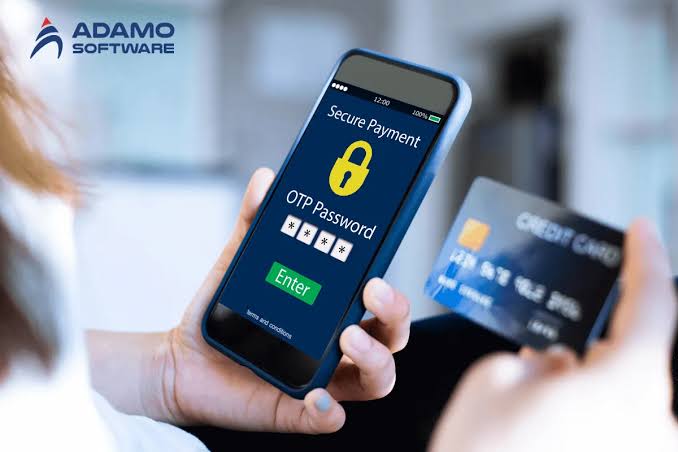
The global shift toward a cashless society has transformed the smartphone into a modern-day vault. Digital wallets like Apple Pay, Google Wallet, Samsung Pay, and various decentralized alternatives offer unparalleled convenience. Instead of fumbling with plastic cards or counting physical cash, a simple tap or facial scan completes a transaction in seconds.
However, as financial entry points consolidate into mobile devices, they inevitably become prime targets for cybercriminals. Protecting your financial information requires understanding how digital wallets protect your data behind the scenes, recognizing emerging threat vectors, and implementing robust daily security habits.
How Digital Wallets Protect Your Data Behind the Scenes
Many consumers wonder if digital wallets are actually safer than traditional physical cards. From a structural engineering standpoint, they are. When you swipe a traditional magnetic stripe card, your actual 16-digit card number and expiration date are transmitted directly to the merchant terminal. If that terminal is compromised by malware or a physical skimming device, your data can be stolen.
Digital wallets mitigate this vulnerability using two primary technologies:
- Tokenization: When you add a credit or debit card to a digital wallet, the application does not store or transmit your real card details. Instead, it replaces the card number with a randomized, unique identifier called a "token." During a transaction, this token is sent to the payment network to authorize the purchase. If a merchant's database is hacked, the stolen tokens are entirely useless to cybercriminals because they cannot be reverse-engineered into your actual account information.
- Secure Element (SE) Isolation: Mobile operating systems isolate financial and cryptographic operations from standard application environments. Digital wallets store data inside a dedicated, hardware-based tamper-resistant chip known as the Secure Element. Even if your phone is infected with basic malware or a rogue third-party application, the isolated Secure Element prevents unauthorized access to your cryptographic keys.
The Evolution of Mobile Financial Threats
While tokenization and local encryption effectively eliminate traditional card skimming, threat actors have adapted their tactics. Modern financial fraud relies heavily on exploiting human vulnerabilities and device configurations rather than breaking encryption protocols.
1. Sophisticated Phishing and Social Engineering
Phishing remains the most common vector for financial data theft. Attackers frequently send urgent text messages (smishing) or emails disguised as official alerts from bank institutions or digital wallet providers. These messages often claim that an account has been suspended, a fraudulent transaction has occurred, or a security update is required. Clicking the link directs the user to a highly convincing, spoofed login page designed to harvest account credentials, personal identification numbers (PINs), or multi-factor authentication (MFA) codes.
2. SIM-Swapping Vulnerabilities
Many users rely on SMS-based two-factor authentication to secure their financial accounts. In a SIM-swap attack, a fraudster convinces a mobile carrier's customer service representative to port the victim's phone number to a new SIM card under the attacker's control. Once the phone number is intercepted, the criminal can reset passwords and intercept one-time verification codes sent to the digital wallet app, bypassing basic security layers entirely.
3. Unauthorized Device Access and Rogue Networks
Public Wi-Fi networks in airports, cafes, and hotels are frequently unencrypted. Attackers can execute Man-in-the-Middle (MitM) attacks on these networks to intercept data packets transmitted by your device. Furthermore, if a physical device lacks robust biometric locks, casual theft can immediately lead to catastrophic financial access if the app configurations allow easy overrides.
Proactive Strategies for Digital Wallet Security
Securing your digital financial footprint requires a combination of strict device hygiene and behavioral discipline. Implementing the following framework significantly reduces the risk of account compromise.
Essential Security Protocols
- Enforce Strong Biometric Authentication: Never rely solely on basic 4-digit PINs or easily guessable pattern locks to unlock your phone or access your payment apps. Enable advanced biometrics, such as facial recognition or fingerprint scanning, which require physical confirmation for every individual transaction.
- Migrate Away from SMS-Based 2FA: Switch your secondary verification layers from standard text messages to local authenticator apps (e.g., Google Authenticator) or physical hardware security keys. These methods generate time-based codes locally on your hardware, neutralizing the risk of SIM-swapping.
- Audit App Permissions and Revoke Allowances: Regularly review the privacy and access permissions granted to applications on your device. Micro-manage access to location services, contacts, and storage, ensuring that third-party utilities cannot monitor background financial activities. For decentralized or Web3 wallets, utilize contract revocation tools periodically to audit and remove unused spending allowances granted to older merchant platforms.
- Practice Transaction Hygiene: Avoid conducting any financial transactions or logging into digital wallets while connected to public Wi-Fi networks unless utilizing a trusted, encrypted Virtual Private Network (VPN). Additionally, bookmark your primary financial portals directly rather than clicking on search-ad links, which can occasionally direct traffic to lookalike phishing domains.
The Operational Habit Shift
The following table outlines actionable, recurring security habits that distinguish casual users from security-conscious consumers:
| Frequency | Action | Objective |
| Daily | Monitor push notifications for transactions | Catch unauthorized or micro-charge attempts instantly. |
| Weekly | Review statements and linked bank portals | Verify that background tokenized charges align with actual purchases. |
| Monthly | Clear browser caches and check for OS updates | Patch zero-day exploits that could compromise device integrity. |
| Quarterly | Audit authorized devices and connected apps | Remove dormant merchant access points or old tablet links. |
Crucial Warning: Legitimate financial institutions, payment processors, and wallet support teams will never contact you via phone, text, or direct message to ask for your master password, PIN, or multi-factor authentication recovery codes. Treat any unsolicited request for this data as an active compromise attempt.
Conclusion
Digital wallets represent an immense leap forward in consumer financial security, drastically reducing the efficacy of traditional identity theft techniques. However, the convenience of consolidated mobile access demands a higher standard of personal vigilance. By understanding the underlying mechanics of tokenization, avoiding the pitfalls of SMS authentication, and maintaining strict device hygiene, you can fully leverage the benefits of a cashless ecosystem without exposing your hard-earned financial assets to evolving digital threats.
Related