
The Connection Between Cryptocurrencies and Digital Wallets: The Backbone of Decentralized Finance

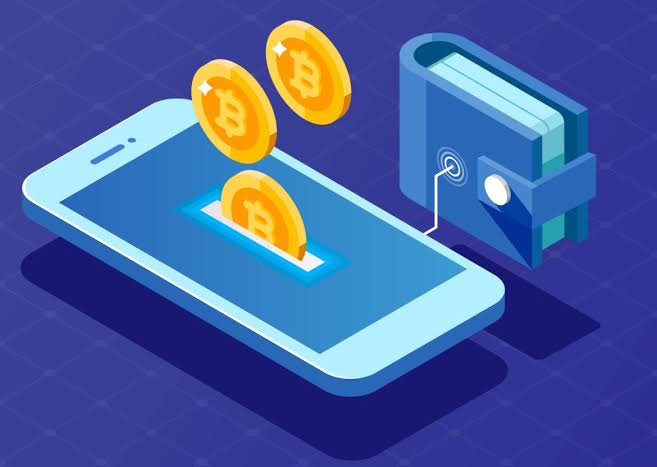
The financial landscape is undergoing a monumental shift. Traditional banking systems, once the undisputed gatekeepers of global wealth, are increasingly sharing the stage with a decentralized alternative: cryptocurrency. At the heart of this digital revolution lies a crucial, symbiotic relationship that powers the entire ecosystem. This is the connection between cryptocurrencies and digital wallets.
To the uninitiated, these two concepts might seem synonymous. However, understanding their distinct roles and how they interact is fundamental to navigating the Web3 space safely and effectively.
1. Defining the Core Components
Before exploring their interconnectedness, we must establish what each component actually is.
What is Cryptocurrency?
A cryptocurrency is a digital or virtual currency secured by cryptography, making it nearly impossible to counterfeit or double-spend. Unlike fiat currencies (like the US Dollar or Euro), most cryptocurrencies operate on decentralized networks based on blockchain technology—a distributed ledger enforced by a disparate network of computers.
What is a Digital Wallet (Crypto Wallet)?
In the traditional financial tech (FinTech) world, a digital wallet (like Apple Pay or PayPal) stores digital versions of your debit and credit cards. In the world of blockchain, a crypto wallet fulfills a slightly different, more complex role.
Contrary to popular belief, a crypto wallet does not actually "store" physical or digital coins. Instead, it stores the cryptographic keys that grant you access to your funds on the blockchain.
2. The Nature of the Connection: Keys to the Kingdom
If cryptocurrencies are the value circulating within a global, decentralized network, digital wallets are the personalized gateways required to interact with that value. The connection between them is entirely defined by two types of cryptographic keys: Public Keys and Private Keys.
[Public Key]  --> Shared publicly (Like a bank account number / IBAN)
[Private Key] --> Kept secret     (Like a digital signature / PIN code)
- The Public Key: This is akin to your bank account number or email address. It is safe to share with anyone. It generates the public "address" that others use to send you cryptocurrency.
- The Private Key: This is your digital signature, password, and ownership proof combined. It must never be shared. Your digital wallet uses this private key to sign transactions, proving to the blockchain network that you are the rightful owner of the funds you want to move.
Without a digital wallet to manage these keys, your cryptocurrency is essentially inaccessible. The wallet acts as the user interface (UI) that translates complex blockchain code into a readable balance and a functional "Send/Receive" dashboard.
3. How Wallets Interact with the Blockchain
To truly grasp the connection, imagine the blockchain as a massive grid of transparent, unbreakable glass safe-deposit boxes.
- Your cryptocurrency sits inside one of these boxes. Anyone walking past can look through the glass and see exactly how much cryptocurrency is inside (transparency).
- Each box has a specific slot where anyone can drop money in (using your Public Key/Address).
- However, only the person holding the unique, physical key can open the box to take money out or move it elsewhere. That key is your Private Key, and your Digital Wallet is the secure keychain holding it.
When you open your wallet app and send 0.5 Bitcoin to a friend, your wallet doesn’t send data files from your phone to theirs. Instead, it broadcasts a digitally signed message to the blockchain network saying: "Move 0.5 BTC from my box to my friend's box." The network verifies your signature using your private key, executes the transfer, and updates the ledger.
4. Types of Digital Wallets and Their Crypto Compatibility
The relationship between a user’s cryptocurrency and their digital wallet depends heavily on the type of wallet they choose. These are broadly categorized into two main distinctions: Custodial vs. Non-Custodial, and Hot vs. Cold.
Custodial vs. Non-Custodial Wallets
- Custodial Wallets: These are managed by a third party, usually a centralized exchange (like Coinbase or Binance). The exchange holds the private keys on your behalf. It mimics a traditional banking experience—if you lose your password, you can reset it. However, you are reliant on their security measures.
- Non-Custodial Wallets: You retain absolute ownership and control over your private keys. Examples include MetaMask or Trust Wallet. If you lose your recovery phrase (seed phrase), your funds are gone forever, as there is no customer support to bail you out. The crypto mantra "Not your keys, not your coins" perfectly encapsulates this dynamic.
Hot Wallets vs. Cold Wallets
- Hot Wallets: Digital wallets connected to the internet (mobile apps, desktop software, browser extensions). They offer seamless interaction with decentralized applications (dApps) and daily trading but are more vulnerable to malware and phishing attacks.
- Cold Wallets (Hardware Wallets): Physical devices (resembling USB drives, such as Ledger or Trezor) that store private keys offline. Because they are disconnected from the internet, they are virtually immune to remote hacking attempts, making them the gold standard for long-term cryptocurrency storage.
| Feature | Hot Wallet | Cold Wallet |
|---|---|---|
| Internet Connection | Always Connected | Offline |
| Convenience | High (Great for trading) | Medium (Requires physical connection) |
| Security Risk | Higher (Vulnerable to online hacks) | Exceptionally Low |
| Cost | Usually Free | Requires purchasing hardware |
5. Security: The Critical Link
Because digital wallets hold the keys to valuable cryptocurrencies, they are prime targets for cybercriminals. The connection here highlights a fundamental reality of the crypto world: with absolute financial freedom comes absolute responsibility.
Unlike traditional credit cards, blockchain transactions are irreversible. If a malicious actor gains access to your digital wallet's private key or its 12-to-24-word seed phrase, they can drain your cryptocurrency instantly. Common threats include:
- Phishing: Fake websites mimicking legitimate wallet providers to steal seed phrases.
- Malware: Malicious software designed to log keystrokes or swap clipboard addresses during transactions.
To protect their cryptocurrency, users must practice strict digital hygiene: utilizing hardware wallets for significant amounts, never typing seed phrases on internet-connected devices, and enabling multi-factor authentication (MFA).
6. The Future of the Connection: Smart Contracts and Beyond
As blockchain technology evolves, the connection between cryptocurrencies and digital wallets is expanding beyond simple asset storage.
With the rise of "Smart Accounts" (Account Abstraction), digital wallets are becoming highly programmable. Modern Web3 wallets can batch multiple cryptocurrency transactions into one, allow users to pay transaction fees (gas) using stablecoins instead of native tokens, and even set up recovery guardians (trusted friends or devices) to recover access without risking a lost seed phrase.
Furthermore, digital wallets are shifting toward becoming holistic Digital Identities. The same wallet used to store Ethereum or Solana is now used to log into decentralized social media platforms, hold non-fungible tokens (NFTs) representing digital art or real estate deeds, and participate in decentralized governance voting.
Conclusion
Cryptocurrencies and digital wallets are two sides of the same coin. Cryptocurrency provides the decentralized asset, while the digital wallet provides the secure framework and access mechanism necessary to utilize it. Together, they eliminate the need for centralized intermediaries, returning financial sovereignty directly to the individual.
As the digital asset space continues to mature toward mainstream adoption, choosing the right digital wallet and understanding how it connects to the blockchain remains the single most important step for any modern investor.
Related