
How Businesses Benefit from Accepting Digital Wallets

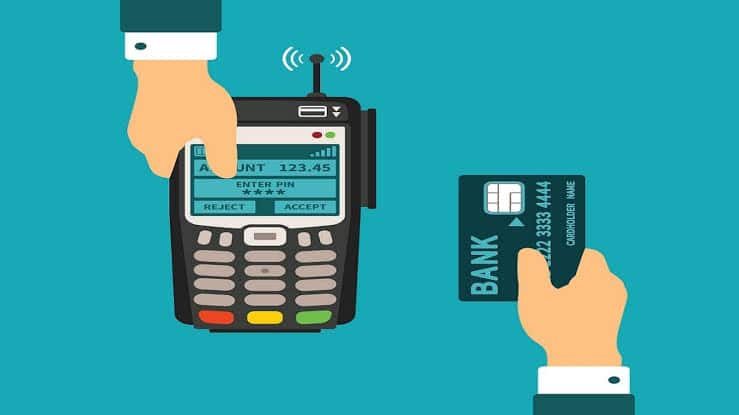
The global payments landscape is undergoing a massive paradigm shift. Traditional payment methods, once dominated by physical cash and plastic credit cards, are rapidly losing ground to a faster, more secure alternative: the digital wallet. Platforms like Apple Pay, Google Pay, PayPal, and regional superapps are no longer just optional conveniences for tech-savvy shoppers; they have become the absolute standard for everyday transactions.
For modern businesses, implementing digital wallet acceptance is no longer a forward-thinking upgrade—it is a foundational requirement for survival and growth. Accepting digital wallets provides significant, measurable advantages to merchants, ranging from drastic reductions in checkout friction to highly advanced layers of fraud protection.
1. Drastic Reduction in Cart Abandonment and Checkout Friction
One of the most immediate financial benefits a business experiences after integrating digital wallets is a noticeable bump in conversion rates. This improvement directly addresses one of e-commerce’s oldest and most persistent pain points: shopping cart abandonment.
Traditional online checkouts require a customer to manually enter a 16-digit card number, an expiration date, a CVV security code, and a full billing address. This clunky process creates massive friction, especially on mobile devices where typing on tiny keyboards can lead to errors and frustration.
[Item Selected] ➔ [Traditional Checkout: 15+ Fields to Fill] ➔ [Friction/Drop-off]
[Item Selected] ➔ [Digital Wallet: Biometric Authentication]  ➔ [Instant Conversion]
Digital wallets eliminate this friction entirely through one-click checkouts. Because the user’s payment details, billing address, and shipping preferences are already securely stored within the wallet app, a transaction can be finalized instantly via biometric authentication (such as a fingerprint scan or FaceID). By stripping away the steps between product selection and final authorization, merchants can tap into spontaneous buying intent and maximize their sales pipelines.
2. Unparalleled Security and Reduced Fraud Rates
As online fraud and malicious data breaches continue to climb globally, security has transformed into a critical competitive advantage. Standard card transactions expose sensitive data during the payment flow, leaving both the merchant and the consumer vulnerable to interceptive attacks. Digital wallets alter this dynamic completely by utilizing tokenization.
What is Tokenization?
Tokenization is an advanced security process where a customer's actual credit card or bank account details are never transmitted to or stored by the merchant. Instead, the wallet system generates a randomized, one-time digital placeholder—a "token"—to validate the specific transaction.
Because the vendor never handles the primary account numbers, the business's data liability drops substantially. Even in an extreme scenario where a merchant’s database is compromised, cybercriminals find nothing but useless, expired tokens. Furthermore, because digital wallets rely heavily on device-specific biometric access, the risks associated with stolen cards, shoulder-surfing, or compromised PINs are virtually non-existent. For businesses, this translates to drastically fewer chargebacks and lower costs associated with fraud investigations.
3. Accelerated Cash Flow and Operational Efficiency
Cash flow is the lifeblood of any enterprise, particularly for small-to-medium businesses. Traditional card networks and legacy banking systems often rely on batch-processing cycles that hold onto merchant capital, resulting in artificial settlement delays of two to three business days.
Modern digital wallets increasingly operate on real-time payment rails, allowing businesses to bypass these delays and tap into instant liquidity.
| Payment Indicator | Traditional Credit Cards | Modern Digital Wallets |
| Settlement Time | 2 to 3 Business Days | Near-Instant / Same-Day |
| Data Liability | High (Exposes actual card numbers) | Minimal (Uses encrypted tokens) |
| Authentication | Signatures, PINs, or none | Multi-factor Biometrics (Face/Fingerprint) |
| Loyalty Integration | Requires separate physical cards | Embedded seamlessly in the payment app |
When capital hits a business account instantly, management can redeploy those funds immediately—whether that means settling vendor obligations, purchasing inventory, or funding real-time marketing campaigns. Additionally, the digital nature of these transactions streamlines internal accounting. Every sale is automatically logged, categorized, and reconciled, saving hundreds of hours of manual bookkeeping and eliminating human errors associated with counting cash or sorting physical receipts.
4. Enhanced Customer Loyalty and Seamless Omnichannel Experiences
The modern consumer expects a unified, fluid experience whether they are purchasing a product online, through a dedicated mobile application, or directly inside a physical storefront. Digital wallets act as the ultimate bridge for this omnichannel environment.
With technologies like SoftPOS (Software Point of Sale) and Tap-to-Pay, merchants can transform any company smartphone or tablet into a contactless payment terminal. This mobile flexibility breaks down structural barriers, enabling in-aisle checkouts that drastically reduce front-of-store wait times.
              ┌──► Online Checkout (Website)
              │
Digital Wallet├──► In-App Purchases (Mobile App)
              │
              └──► Point of Sale (Physical Retail / SoftPOS)
Beyond basic utility, digital wallets allow businesses to seamlessly embed reward systems, digital coupons, and customized loyalty programs directly into the payment flow. Rather than forcing a customer to track a separate loyalty card or app, points are updated automatically at the exact moment of transaction. This friction-free integration encourages repeat business, drives higher customer lifetime value, and delivers rich, anonymized data insights that help businesses refine their future marketing strategies.
5. Capturing the Emerging Global and Gen Z Demographic
Failing to support digital wallet infrastructure creates a massive barrier for younger, highly active consumer groups. Generation Z and millennial demographics have grown up as digital natives, expecting instantaneous, mobile-first solutions for all daily routines. A massive percentage of these consumers routinely leave their physical homes without a traditional leather wallet, trusting their smartphones to navigate all commercial requirements.
On an international scale, adopting digital wallets is the primary way to engage with the global marketplace. While Western markets rely heavily on card-backed systems like Apple Pay, massive economic regions across Latin America and the Asia-Pacific utilize account-to-account (A2A) wallets or comprehensive "superapps" that bundle e-commerce, messaging, and localized payment ecosystems together. By integrating global wallet standards, a business instantly expands its geographic footprint, allowing international customers to pay comfortably using the local methods they already trust.
Conclusion
Accepting digital wallets has transformed from a tech-centric luxury into a core strategic asset for businesses worldwide. By removing friction at the checkout counter, providing elite cryptographic security, maximizing cash flow liquidity, and building a direct pipeline to modern consumers, digital wallets offer a profound return on investment. As consumer habits move irrevocably away from cash and plastic cards, businesses that intentionally optimize their payment architecture for digital wallets will cultivate the security, speed, and trust required to lead their respective industries.
Related