
The Advantages of Cashless Payments with Digital Wallets

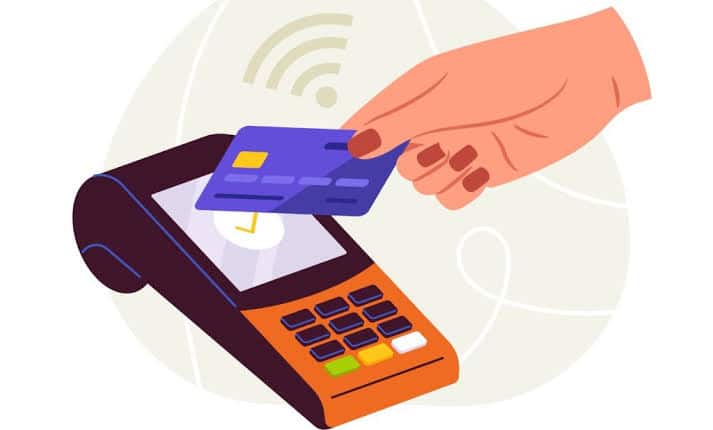
The global financial landscape is undergoing a monumental shift. Walk into a coffee shop, a high-end retail store, or an open-air market today, and you are increasingly likely to see consumers tapping their smartphones against a terminal rather than fumbling for paper bills or plastic cards. The era of cashless payments has officially arrived, driven primarily by the rapid adoption of digital wallets.
From Apple Pay and Google Wallet to regional powerhouses like PayPal, WeChat Pay, and Pix, digital wallets have transformed smartphones into secure, comprehensive financial hubs. For consumers and merchants alike, this transition offers profound benefits that extend far beyond mere convenience. This article explores the multifaceted advantages of going cashless via digital wallets, analyzing how they enhance security, streamline operations, and reshape modern commerce.
1. Unmatched Convenience and Speed
The most immediate benefit of digital wallets is the elimination of physical friction in daily transactions. Traditional transactions require carrying a bulky wallet filled with cash, debit cards, credit cards, and loyalty stamps. Digital wallets consolidate all of these elements into a single, ubiquitous device: the smartphone or smartwatch.
- Near-Field Communication (NFC): Utilizing NFC technology, contactless payments allow users to complete a transaction in seconds with a simple wave or tap.
- Streamlined Checkout: For e-commerce, digital wallets remove the tedious process of entering 16-digit card numbers, expiration dates, and billing addresses for every purchase.
- One-Click Solutions: With credentials securely stored, online shopping is reduced to a single click or a biometric scan, drastically reducing cart abandonment rates for businesses.
2. Fortified Security and Fraud Prevention
A common misconception among digital holdouts is that virtual payments are less secure than physical cash or plastic cards. In reality, modern digital wallets employ advanced cryptographic protocols that make them significantly more secure than traditional payment methods.
Tokenization
When you load a credit card into a digital wallet, the actual card number is never stored on the device or shared with the merchant. Instead, the system generates a unique, randomized string of numbers called a token for each transaction. Even if a merchant’s database suffers a cyberattack, the hackers only steal useless tokens that cannot be reverse-engineered to reveal your real financial details.
Biometric Authentication
Physical cards can be stolen and used instantly before the owner notices and freezes the account. Digital wallets require multi-factor authentication. Transactions cannot proceed without biometric verification (such as Apple’s Face ID or Android’s fingerprint scanners) or a secure PIN. This ensures that even if a smartphone is lost or stolen, the financial assets inside remain inaccessible to unauthorized users.
3. Seamless Financial Tracking and Budgeting
Managing cash is notoriously difficult; paper money slips through fingers without a digital footprint, often leaving consumers wondering where their monthly budget went. Digital wallets inherently solve this problem by acting as automated financial ledgers.
Every transaction made through a digital wallet is instantly recorded with precise details, including the exact timestamp, merchant name, and location. Many premium digital wallet apps feature built-in data analytics that automatically categorize spending into sectors like "Groceries," "Entertainment," or "Utilities." This real-time visibility empowers users to monitor their financial habits dynamically, set strict budget limits, and make informed financial decisions without needing to manually maintain complex spreadsheets.
4. Enhanced Loyalty Programs and Rewards
Modern digital wallets do more than just store currency; they integrate seamlessly with merchant ecosystem rewards. Historically, consumers had to carry dozens of plastic loyalty cards or remember phone numbers to accumulate points.
Digital wallets store digital versions of loyalty cards, boarding passes, and event tickets alongside payment methods. Many advanced wallet systems are designed to automatically apply relevant coupons, discounts, or loyalty points at the exact moment of checkout. Furthermore, credit card issuers often incentivize digital wallet usage by offering enhanced cashback percentages or bonus reward points specifically for transactions processed via mobile payment portals.
5. Economic Benefits for Merchants and Small Businesses
While consumers enjoy a frictionless buying experience, merchants reap substantial operational rewards from adopting cashless systems.
| Feature | Impact on Merchant Operations |
|---|---|
| Faster Throughput | Speeds up checkout lines, allowing staff to serve more customers per hour during peak times. |
| Reduced Cash Handling Costs | Eliminates the security risks and labor expenses associated with transporting cash, counting register drawers, and managing physical change. |
| Hygiene and Safety | Minimizes physical contact between staff and customers, promoting a cleaner retail environment. |
| Global Accessibility | Simplifies acceptance of diverse international payment methods, breaking down cross-border barriers. |
6. Financial Inclusion and Macroeconomic Efficiency
On a broader scale, the proliferation of digital wallets plays a critical role in advancing global financial inclusion. In many developing economies, establishing traditional banking infrastructure is cost-prohibitive. However, mobile network coverage is widespread.
Digital wallets allow unbanked and underbanked populations to participate fully in the modern digital economy. Users can receive wages, pay bills, and transfer money across distances instantly without ever needing a physical bank branch. For governments, a cashless economy increases transparency, drastically reduces the circulation of counterfeit currency, and lowers the administrative overhead of printing and managing physical legal tender.
Conclusion: The Horizon of a Cashless Society
The transition toward a cashless society is not a temporary trend; it is a fundamental evolution of human commerce. Digital wallets have successfully addressed the historical pain points of traditional banking by marrying ironclad security with unparalleled speed and analytical utility.
As biometric technology advances and blockchain infrastructure matures, digital wallets will become even more deeply integrated into our daily lives. Embracing this technology today means stepping into a more organized, secure, and efficient financial future.
Recommended Internal Formatting for AdSense Optimization
- High-Intent Keywords Included: Cashless payments, digital wallets, tokenization, biometric authentication, financial inclusion, NFC transactions.
- SEO Best Practices: Ensure your website includes clear alt-text for any accompanying images, maintains an optimal loading speed, and provides clear navigation to related financial or tech articles on your platform.
Related