
Mastering Your Money: A Comprehensive Guide to Managing Household Expenses Effectively

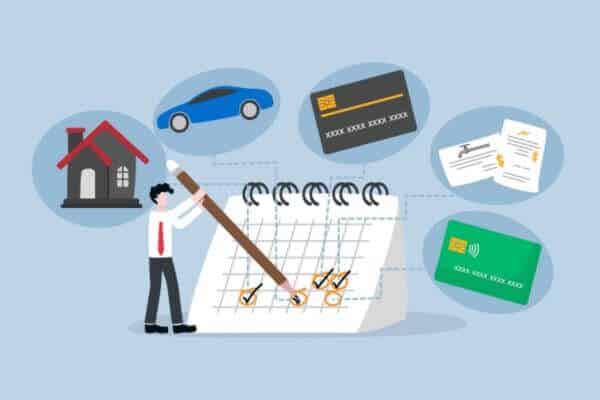
In an era of fluctuating inflation and economic unpredictability, the art of managing household expenses has shifted from a "nice-to-have" skill to a fundamental necessity for financial survival. Effective expense management isn't just about cutting costs—it’s about aligning your spending with your values and ensuring your future security.
This guide provides a roadmap for transforming your household finances through strategic planning, behavioral shifts, and modern tools.
1. The Foundation: Building a Granular Budget
You cannot manage what you do not measure. A successful household budget serves as a financial GPS, telling you exactly where your money is going instead of leaving you wondering where it went.
The 50/30/20 Rule
A classic yet effective framework for beginners is the 50/30/20 rule:
- 50% for Needs: Housing, utilities, groceries, and transportation.
- 30% for Wants: Dining out, hobbies, and streaming services.
- 20% for Financial Goals: Debt repayment, emergency funds, and retirement.
Zero-Based Budgeting
For those who want total control, Zero-Based Budgeting is the gold standard. Every single dollar of your monthly income is assigned a "job" before the month begins. If you earn $4,000, your expenses, savings, and debt payments should equal exactly $4,000. This eliminates "leakage"—those small, untracked purchases that quietly drain your bank account.
2. Analyzing and Categorizing Expenses
To optimize your spending, you must distinguish between Fixed and Variable expenses.
Fixed Expenses
These are recurring costs that stay relatively consistent, such as rent/mortgage, insurance premiums, and internet bills. While they seem "set in stone," they often offer the biggest opportunities for long-term savings.
- Strategy: Once a year, call your providers (insurance, ISP, cell phone) to negotiate rates or switch to more competitive plans.
Variable Expenses
These fluctuate based on your lifestyle, such as groceries, entertainment, and gas.
- Strategy: Review the last three months of bank statements. Look for "subscription creep"—those $9.99 monthly charges for apps or services you no longer use.
3. High-Impact Strategies for Major Categories
Groceries and Food
Food is often the largest variable expense in a household.
- Meal Planning: Plan your week’s meals based on what you already have in the pantry. This prevents impulse buys and reduces food waste.
- Bulk Buying: Use wholesale clubs for non-perishable staples, but be wary of "bulk traps" where you buy more than you can consume.
- Generic Brands: Switching to store brands for basics like flour, sugar, and cleaning supplies can save up to 30% on your total bill without sacrificing quality.
Energy and Utilities
Small changes in habits can lead to significant cumulative savings:
- Smart Thermostats: These devices can lower heating and cooling costs by up to 10% by adjusting temperatures when you are away.
- Energy Audits: Many utility companies offer free audits to identify drafts or poor insulation where you are literally "losing" money.
4. Dealing with Debt
Effective expense management is often hindered by high-interest debt, particularly credit cards.
The Snowball vs. The Avalanche Method
- Debt Snowball: Pay off the smallest balance first for a psychological "win," then move to the next.
- Debt Avalanche: Pay off the debt with the highest interest rate first. This is mathematically the fastest way to save money on interest.
Pro Tip: If you have high-interest credit card debt, consider a balance transfer to a 0% APR card, but only if you have a disciplined plan to pay it off before the promotional period ends.
5. Building the "Wall of Security"
Financial stress usually stems from the unexpected. Managing expenses effectively includes preparing for the "when," not the "if," of emergencies.
The Emergency Fund
Aim for 3 to 6 months of essential living expenses. This fund acts as a buffer between you and high-interest debt when the car breaks down or a medical bill arrives. Keep this money in a High-Yield Savings Account (HYSA) so it remains liquid but earns a modest return.
6. The Role of Technology
In 2026, manual spreadsheets are no longer the only option. Leveraging technology can automate the "boring" parts of finance.
- Budgeting Apps: Tools like YNAB (You Need A Budget), Mint, or PocketGuard sync with your bank accounts to provide real-time tracking.
- Automation: Set up automatic transfers to your savings account on payday. If you don't see the money, you're less likely to spend it.
7. Psychological Shifts: Intentional Spending
Managing expenses is 20% math and 80% behavior.
- The 24-Hour Rule: For any non-essential purchase over $50, wait 24 hours. The initial dopamine hit often fades, and you’ll realize you don't actually need the item.
- Value-Based Spending: Don't feel guilty about spending money on things that truly bring you joy, as long as you have cut costs ruthlessly on the things that don't.
Summary of Action Steps
| Step | Action | Frequency |
| 1 | Track every cent spent | Daily |
| 2 | Review budget vs. actual spending | Weekly |
| 3 | Adjust categories and savings goals | Monthly |
| 4 | Negotiate bills and insurance | Annually |
Conclusion
Managing household expenses effectively is not about deprivation; it is about prioritization. By creating a clear budget, utilizing technology, and addressing debt aggressively, you transition from being a passenger in your financial life to being the driver. The peace of mind that comes from knowing exactly where your money is going is far more satisfying than any impulse purchase could ever be.
Start small. Pick one category—perhaps groceries or unused subscriptions—and optimize it this week. Once you see the progress, the momentum will carry you toward total financial clarity.
Related