
Cybersecurity in the Digital Age: Protecting Data and Privacy

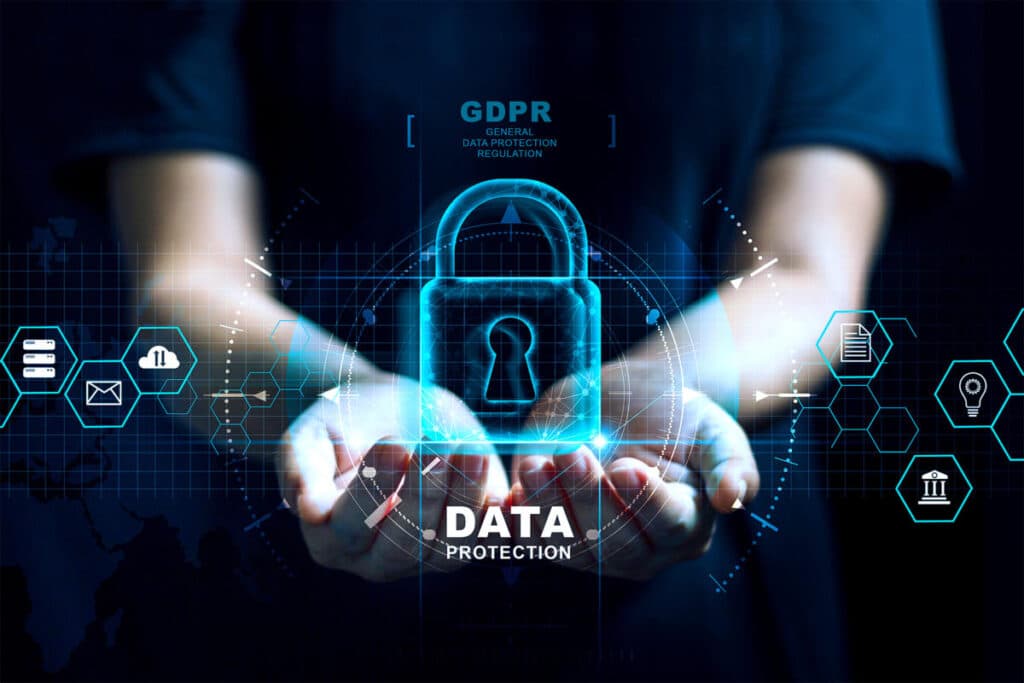
In the third decade of the 21st century, the boundary between the physical and digital worlds has virtually vanished. We live in a hyper-connected era where our finances, healthcare, social interactions, and professional identities reside in the "cloud." While this digital transformation has unlocked unprecedented convenience and productivity, it has simultaneously birthed a sophisticated landscape of threats.
Cybersecurity is no longer just a technical niche for IT professionals; it is a fundamental pillar of modern safety. This article explores the evolving nature of cyber threats, the critical importance of data privacy, and the strategies individuals and organizations must adopt to stay secure.
The Evolution of the Threat Landscape
The "Digital Age" has moved far beyond the era of simple computer viruses. Today, cyberattacks are often orchestrated by well-funded criminal syndicates or state-sponsored actors. Understanding the enemy is the first step in defense.
1. Ransomware: The Digital Hostage Crisis
Ransomware has become the most visible and damaging form of cyberattack. By encrypting a victim’s data and demanding payment (usually in cryptocurrency) for the decryption key, attackers can paralyze hospitals, government agencies, and global corporations. Modern "double extortion" tactics involve stealing sensitive data before encrypting it, threatening to leak it publicly if the ransom isn't paid.
2. Phishing and Social Engineering
Despite advanced firewalls, the weakest link in any security chain remains the human element. Phishing—the use of deceptive emails or messages to trick users into revealing credentials—has evolved into "Spear Phishing" (targeted attacks) and "Business Email Compromise" (BEC). These attacks leverage psychology, urgency, and trust to bypass technical defenses.
3. The Internet of Things (IoT) Vulnerabilities
Our homes are filled with smart devices: thermostats, cameras, and refrigerators. Often, these devices lack robust security protocols, making them easy entry points for hackers to gain access to a home network or to be co-opted into "Botnets" for large-scale Distributed Denial of Service (DDoS) attacks.
Why Data Privacy is the New Human Right
In the digital economy, data is the new oil. Companies track our browsing habits, location history, and purchasing preferences. While this data fuels personalized experiences, its mismanagement poses a grave risk to individual privacy.
- Identity Theft: Stolen Personal Identifiable Information (PII) allows criminals to open bank accounts, claim tax refunds, or commit crimes under someone else's name.
- Surveillance and Profiling: Extensive data collection allows for deep behavioral profiling, which can be used for manipulative advertising or, in darker scenarios, political suppression.
- The Ethics of AI: As Artificial Intelligence (AI) processes vast datasets, the risk of biased algorithms or the "de-anonymization" of private data becomes a significant concern for civil liberties.
Frameworks for Protection: A Multi-Layered Approach
Securing data requires a "Defense in Depth" strategy. This means layering multiple security measures so that if one fails, others are in place to stop the breach.
For the Individual: Personal Cyber Hygiene
- Multi-Factor Authentication (MFA): This is the single most effective way to prevent unauthorized access. Even if a hacker has your password, they cannot access your account without the second factor (like an app-generated code or a physical key).
- Password Managers: Using unique, complex passwords for every site is impossible for the human brain. Password managers solve this by storing encrypted credentials, reducing the temptation to reuse "123456" or "Password123."
- Regular Updates: Software updates often contain "patches" for security holes that hackers are already exploiting. Keeping your OS and apps updated is a critical defense.
For the Organization: Building a Security Culture
- Zero Trust Architecture: The old model of "trust everyone inside the office network" is dead. Zero Trust operates on the principle of "never trust, always verify," requiring strict identity verification for every person and device trying to access resources on a private network.
- Employee Training: Since most breaches start with a click on a malicious link, continuous security awareness training is vital to turn employees from liabilities into the first line of defense.
- Data Encryption: Data should be encrypted both "at rest" (on servers) and "in transit" (as it moves across the internet). This ensures that even if data is intercepted, it remains unreadable.
The Role of Regulation: GDPR and Beyond
Governments worldwide are catching up to the digital reality. Regulations like the General Data Protection Regulation (GDPR) in Europe and the California Consumer Privacy Act (CCPA) have set new standards for how companies handle user data.
These laws grant individuals the "Right to be Forgotten," the right to access their data, and the right to know how it’s being used. For companies, non-compliance can result in astronomical fines, making cybersecurity a boardroom priority rather than just an IT expense.
The Future: AI vs. AI
The future of cybersecurity is an arms race. Hackers are now using AI to create more convincing phishing emails and to automate the discovery of software vulnerabilities. On the flip side, cybersecurity firms are using machine learning to detect anomalous behavior on networks in real-time, stopping attacks before they can spread.
Quantum Computing: The Looming Threat
In the coming years, the advent of quantum computing poses a theoretical threat to current encryption standards (like RSA). This has led to the development of Post-Quantum Cryptography, designed to be secure against the processing power of quantum computers.
Conclusion
Cybersecurity is not a destination, but a continuous journey. As technology evolves, so will the methods of those who seek to exploit it. By fostering a culture of privacy, implementing robust technical safeguards, and staying informed about emerging threats, we can protect the digital landscape that has become so integral to our lives.
The digital age offers boundless opportunities. Ensuring that these opportunities are built on a foundation of security and privacy is the defining challenge of our generation.
Related