
Managing Healthcare Costs for Your Household: A Comprehensive Strategic Guide

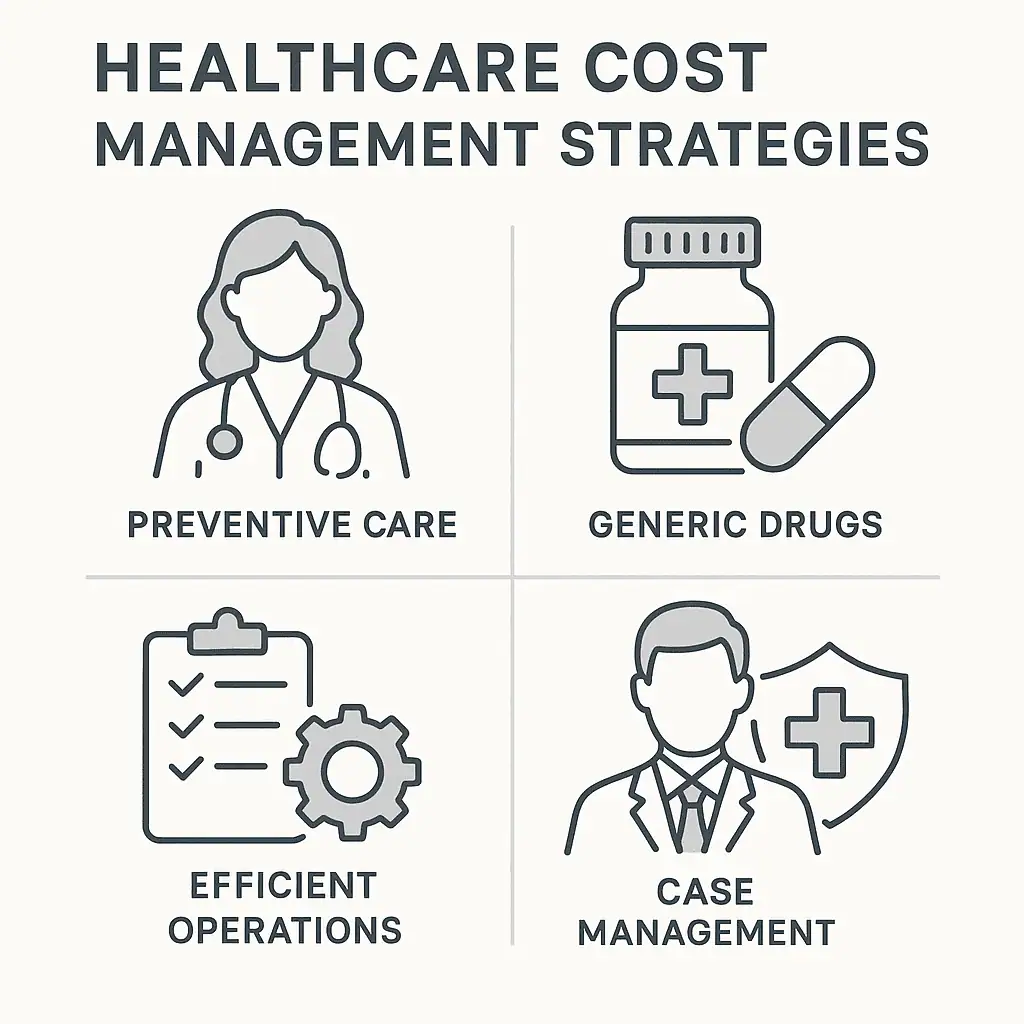
Navigating the financial landscape of healthcare can feel like walking through a labyrinth without a map. Between rising insurance premiums, unexpected out-of-pocket expenses, and the skyrocketing costs of prescription drugs, many families find that medical bills are a significant source of stress. However, managing these costs effectively is not just about cutting back; it is about making informed, strategic decisions.
By understanding the mechanics of the healthcare system and implementing proactive financial habits, you can protect your household’s physical health and its fiscal well-being.
1. Mastering the Fundamentals of Insurance Plans
The first step in controlling costs is understanding exactly what you are paying for. Too often, households default to the "standard" plan offered by an employer without calculating the total cost of ownership.
Choosing the Right Plan Structure
Insurance plans are generally divided into several categories, each with different cost implications:
- HMO (Health Maintenance Organization): Usually offers lower premiums and requires a primary care physician (PCP) to coordinate all care. The trade-off is less flexibility in choosing specialists.
- PPO (Preferred Provider Organization): Higher premiums but more freedom to see specialists without a referral, even out-of-network (though at a higher cost).
- HDHP (High Deductible Health Plan): These have the lowest monthly premiums but require you to pay a significant amount out-of-pocket before insurance kicks in.
The Power of the HSA and FSA
If you opt for an HDHP, you are often eligible for a Health Savings Account (HSA). This is one of the most powerful financial tools available:
- Triple Tax Advantage: Contributions are tax-deductible, growth is tax-free, and withdrawals for qualified medical expenses are tax-free.
- Portability: Unlike a Flexible Spending Account (FSA), HSA funds do not expire at the end of the year. They roll over indefinitely, even into retirement.
2. Strategic Preventive Care
The most effective way to manage healthcare costs is to avoid getting sick in the first place. Under many modern regulations (such as the Affordable Care Act in the U.S.), most insurance plans are required to cover preventive services at zero cost to the patient.
- Annual Physicals: These allow doctors to catch chronic conditions like hypertension or type 2 diabetes early when they are manageable and less expensive to treat.
- Vaccinations: Preventing the flu or shingles is significantly cheaper than treating the complications that arise from them.
- Screenings: Regular mammograms, colonoscopies, and blood work are essential.
Pro Tip: When scheduling an "annual physical," be careful not to bring up new, specific medical problems during the visit. Some providers may code the visit as a "diagnostic" appointment rather than "preventive," which could trigger a co-pay or deductible charge.
3. Optimizing Prescription Drug Spending
Pharmacy costs are a major driver of household medical debt. However, the "sticker price" of a medication is rarely the only price available.
Generics vs. Brands
Always ask your doctor or pharmacist if a generic version of a medication is available. Generic drugs are required by law to have the same active ingredients and efficacy as brand-name drugs but can cost up to 80-85% less.
Shop Around and Use Coupons
Pharmacy pricing is not uniform. A medication at a large retail chain might cost twice as much as the same drug at a local independent pharmacy or a warehouse club like Costco.
- Discount Apps: Use tools like GoodRx or SingleCare to find coupons. Sometimes, the "cash price" with a coupon is lower than your insurance co-pay.
- Manufacturer Rebates: For expensive specialty drugs, check the manufacturer’s website for "co-pay cards" that can reduce your out-of-pocket costs to nearly zero.
4. Navigating Provider Networks and Billing
A single "out-of-network" mistake can result in thousands of dollars in unexpected bills.
Stay In-Network
Before any procedure, verify that both the facility (the hospital) and the specific providers (the surgeon, the anesthesiologist, the radiologist) are in your insurance network.
Negotiating Medical Bills
If you receive a bill you cannot afford, do not ignore it. Medical providers are often willing to negotiate.
- Request an Itemized Bill: Errors are common. Check for "upcoding" (billing for a more complex service than provided) or duplicate charges.
- Ask for the "Medicare Rate": Use the Medicare reimbursement rate as a benchmark for negotiation.
- Settlement Offers: Many hospitals will offer a 10-20% discount if you offer to pay the entire balance in a single lump sum immediately.
- Interest-Free Payment Plans: Most healthcare systems offer 12-to-24-month interest-free payment plans if you ask.
5. Utilizing Urgent Care vs. The Emergency Room
Understanding where to go for treatment is a critical cost-saving skill.
- The Emergency Room (ER): Reserved for life-threatening emergencies (chest pain, severe trauma). The average ER visit can cost over $2,000.
- Urgent Care: Best for non-life-threatening issues (sprains, minor stitches, infections). These visits typically cost between $100 and $200.
- Telehealth: Many insurance plans now offer 24/7 virtual visits for as little as a $10–$40 co-pay. This is ideal for minor ailments like sinus infections or rashes.
6. Financial Planning: The Medical Emergency Fund
Because medical costs are often unpredictable, they should be a dedicated line item in your household budget.
| Expense Type | Strategy |
| Fixed Costs | Monthly premiums. |
| Variable Costs | Co-pays, prescriptions, and over-the-counter meds. |
| Safety Net | Aim to save at least your plan's Out-of-Pocket Maximum in a liquid account. |
By saving up to your out-of-pocket maximum, you effectively "cap" your financial risk for the year. If a major health crisis occurs, you know exactly what the "worst-case scenario" looks like for your bank account.
Conclusion: Empowerment Through Information
Managing healthcare costs is an ongoing process of education and advocacy. It requires transitioning from a passive "consumer" of healthcare to an active "manager" of your family’s well-being. By utilizing tax-advantaged accounts, insisting on generic medications, and rigorously verifying network status, you can ensure that your family receives high-quality care without compromising your financial future.
Remember: The most expensive healthcare is the care you delay because of cost. By managing the finances of health today, you ensure a healthier and more stable tomorrow for your entire household.
Related