
Mastering Your Money: How to Create a Monthly Family Spending Plan

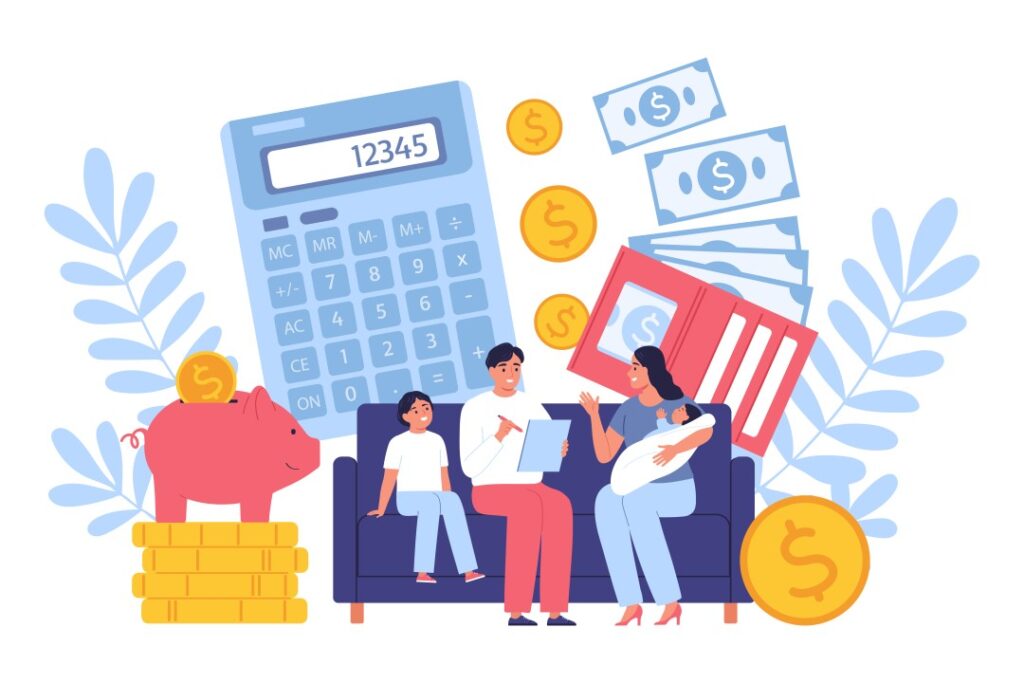
Managing household finances often feels like trying to solve a puzzle with missing pieces. Between rising inflation, unexpected repairs, and the daily "can I have this?" from the kids, money can quickly become a source of stress rather than a tool for freedom.
The secret isn’t just "spending less"—it’s about intentionality. A monthly family spending plan (a more proactive term than a restrictive "budget") acts as a roadmap for your financial future. Here is a comprehensive guide to building a plan that actually works for your unique family dynamic.
1. The Mindset Shift: Spending Plan vs. Budget
Most people hate the word "budget" because it implies deprivation. A Spending Plan, however, is an empowerment tool. It’s a way to ensure your money is working for your goals—whether that’s a summer vacation, a new home, or early retirement.
Before crunching numbers, sit down with your partner (and older children, if applicable) to discuss your Values.
- Do we value experiences (travel) over things (new tech)?
- Are we prioritizing debt freedom or aggressive investing?
- What is one thing we won't compromise on?
2. Gather Your Financial Data
You cannot manage what you do not measure. To build an accurate plan, you need to look at the last 90 days of spending.
Income Sources
List every dollar that enters your bank account:
- Primary salaries (after-tax/net income).
- Side hustles or freelance work.
- Government benefits or child support.
- Investment dividends.
Expense Categorization
Divide your expenses into three distinct buckets:
- Fixed Expenses: Consistent bills like mortgage/rent, insurance, car payments, and subscriptions.
- Variable Expenses: Necessary but fluctuating costs like groceries, utilities, and gas.
- Discretionary Expenses: "Want" items like dining out, hobbies, and entertainment.
3. Choose Your Budgeting Methodology
Not every family thrives on the same system. Choose a framework that fits your personality:
The 50/30/20 Rule
A simple, high-level approach:
- 50% Needs: Housing, food, utilities, minimum debt payments.
- 30% Wants: Dining out, Netflix, hobbies.
- 20% Savings/Debt Repayment: Emergency fund, 401k, or extra credit card payments.
Zero-Based Budgeting
This method gives every single dollar a "job" before the month begins.
Income−Expenses=0
If you have $100 left over after bills, you assign that $100 to a specific category (like "Home Maintenance") so that your balance at the end of the month is theoretically zero.
4. Building the Plan: Step-by-Step
Once you have your data and your method, follow these steps:
Step A: Prioritize the "Four Walls"
In any financial crisis or tight month, prioritize these four categories first to keep your family stable:
- Food
- Utilities
- Shelter (Mortgage/Rent)
- Transportation
Step B: Account for "Sinking Funds"
One of the biggest reasons budgets fail is the "surprise" expense that isn't actually a surprise. These are Sinking Funds.
- Annual Expenses: Car registration, holiday gifts, Amazon Prime renewals.
- The Math: If you spend $1,200 on Christmas, save $100/month starting in January.
Step C: The "Fun Money" Allocation
To prevent "frugality fatigue," give each adult a small, set amount of "no-questions-asked" cash. This reduces arguments about small purchases and keeps the plan sustainable.
5. Technology vs. Paper
The best tool is the one you will actually use.
- Apps (YNAB, Mint, EveryDollar): Great for real-time tracking and syncing with bank accounts.
- Spreadsheets: Perfect for those who want total control over their data and formulas.
- The Envelope System: Ideal for those who struggle with overspending in specific categories (like groceries or clothing). When the cash in the envelope is gone, spending stops.
6. Managing the "Family" Aspect
Financial planning shouldn't happen in a vacuum.
Pro Tip: Hold a "Family Money Minute" once a week. It shouldn't take more than 15 minutes. Review what was spent, look at upcoming events for the next week, and celebrate small wins (like staying under the grocery budget).
Involving Children
Teach your children about the "Three S" system: Save, Spend, Share. If they see you making intentional choices, they are more likely to develop healthy financial habits themselves.
7. Common Pitfalls to Avoid
- Being Too Strict: If your plan is too lean, you’ll "crash diet" and end up on a spending spree.
- Forgetting Irregular Income: If you're a freelancer, budget based on your lowest-earning month and use "surplus" months to build a buffer.
- Neglecting the Emergency Fund: Aim for 3-6 months of essential expenses. This turns a "disaster" into a mere "inconvenience."
8. Adjusting and Refining
Your first month will likely be wrong. You might realize you actually spend $800 on groceries instead of the $600 you guessed. That is okay. A spending plan is a living document. Adjust the numbers for Month Two based on the reality of Month One. Within three months, you will have a highly accurate system that runs on autopilot.
Summary Table: Monthly Checklist
| Week | Action Item |
| Week 1 | Review last month's performance and set goals for the new month. |
| Week 2 | Check utility usage and variable spending (groceries/gas). |
| Week 3 | Assess discretionary spending. Do we need to "freeze" spending? |
| Week 4 | Move any surplus to savings or debt; prepare next month's plan. |
Conclusion
Creating a monthly family spending plan isn't about restriction; it’s about vision. It’s the difference between wondering where your money went and telling it exactly where to go. By involving the whole family and staying flexible, you can turn financial stress into a shared journey toward security and abundance.
Would you like me to create a customized Google Sheets or Excel template structure based on one of these budgeting methods for you?
Related