
Saving for Major Family Milestones: A Comprehensive Guide to Long-Term Financial Planning

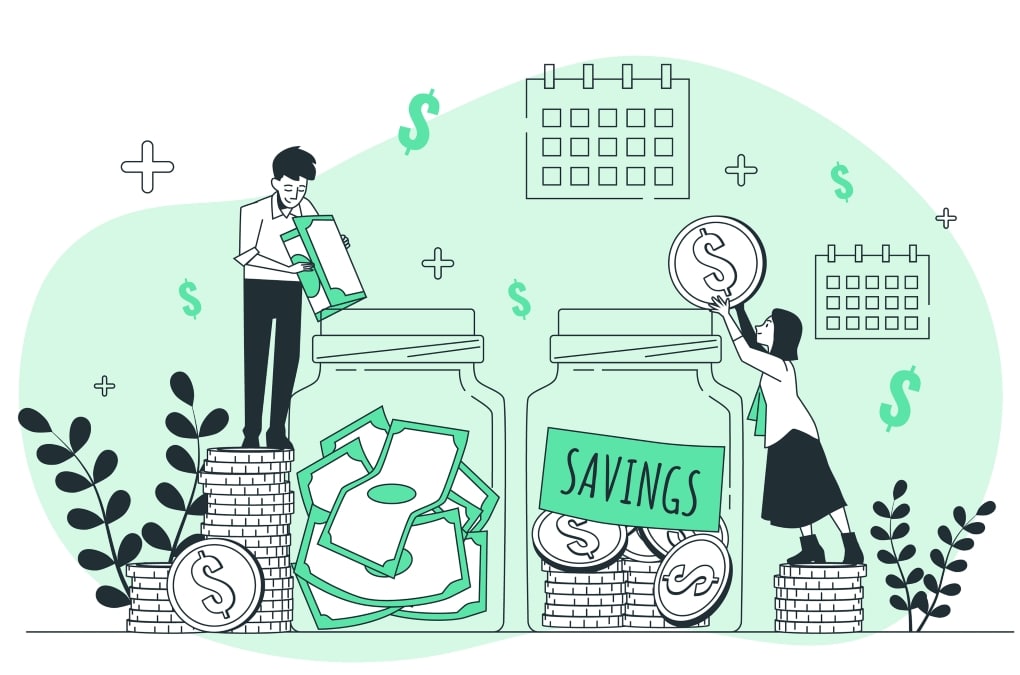
Life is defined by its milestones. From the joy of a wedding and the arrival of a child to the pride of a first home and the peace of a secure retirement, these moments form the bedrock of our family history. However, these milestones often come with significant price tags. Without a strategic roadmap, the financial pressure can overshadow the emotional significance of the occasion.
Effective financial planning for family milestones isn't just about hoarding cash; it’s about aligning your capital with your values. By employing structured savings strategies, understanding investment vehicles, and maintaining a disciplined approach, you can ensure that your family’s biggest dreams are financially reachable.
1. Defining and Prioritizing Your Milestones
The first step in any financial journey is identifying the destination. "Major milestones" mean different things to different people. Common objectives include:
- Weddings: Whether it’s an intimate gathering or a grand celebration with a champagne and black aesthetic, weddings require significant upfront liquidity.
- Home Ownership: Saving for a down payment is often the largest hurdle for young families.
- Education Funds: With rising tuition costs, starting a college fund early is essential.
- Retirement: Balancing current family needs with the necessity of long-term self-sufficiency.
The Priority Matrix Not all goals can be funded simultaneously with the same intensity. Categorize your goals by urgency and importance. Retirement is often non-negotiable because you cannot take out a loan for it, whereas a wedding budget can be adjusted to fit current savings.
2. Structural Savings Strategies
To reach a 1000-word level of financial depth, we must look beyond the basic savings account. Achieving large-scale goals requires a multi-tiered approach to capital allocation.
The Sinking Fund Method
A sinking fund is a strategic way to save for a specific, known expense. Unlike an emergency fund—which is for the unexpected—a sinking fund is for the expected.
- How it works: Calculate the total cost of the milestone and the time remaining until the event. Divide the cost by the number of months to determine your monthly "bill" to yourself.
- Example: For a $20,000 wedding in 24 months, you need to set aside approximately $833 per month.
Automated Contributions
The "Pay Yourself First" mentality is the most effective way to ensure consistency. By automating transfers to dedicated high-yield savings accounts (HYSA) or brokerage accounts, you remove the temptation to spend those funds on discretionary lifestyle choices.
3. Investment Vehicles for Family Goals
Where you put your money is just as important as how much you save. The choice of vehicle depends largely on your time horizon.
Short-Term Goals (0-3 Years)
For events like a wedding or a home purchase in the near future, capital preservation is the priority.
- High-Yield Savings Accounts: Offer liquidity and safety with modest interest.
- Certificates of Deposit (CDs): Lock in interest rates if you know exactly when you will need the cash.
Medium-Term Goals (3-10 Years)
If you are saving for a child’s secondary education or a mid-life sabbatical, you can afford slightly more risk.
- Exchange-Traded Funds (ETFs): Diversified ETFs provide exposure to the stock market with lower fees than managed funds. A balanced portfolio of 60% equities and 40% bonds is a traditional starting point for medium-term growth.
Long-Term Goals (10+ Years)
For retirement or a newborn’s college fund, the power of compounding is your greatest ally.
- 529 Plans (US Context): Tax-advantaged accounts specifically for education.
- Index Funds: Low-cost tracking of the S&P 500 or total market indices historically yields the best long-term results after inflation.
4. Teaching the Next Generation: Financial Literacy
Saving for family milestones is a collective effort. One of the greatest gifts you can give your children is an understanding of how money works.
- Involvement: If you are saving for a family vacation or a new home, involve the children in the progress. Use visual aids like "savings thermometers" to show how close the family is to the goal.
- The Value of Delayed Gratification: Teaching kids to save their allowance for a "big" toy mirrors the adult process of saving for a "big" house. This builds the psychological discipline required for adult financial success.
5. Protecting Your Progress: Risk Management
A brilliant savings plan can be derailed by a single unforeseen event. High-net-worth planning always includes a robust defensive strategy.
- Insurance: Ensure you have adequate life and disability insurance. If the primary earner is unable to work, the family’s milestones (like college or mortgage payments) should not be compromised.
- Emergency Funds: Before aggressively saving for a wedding or an investment, ensure you have 3-6 months of living expenses in a liquid account. This prevents you from "raiding" your milestone funds when the car breaks down or the roof leaks.
- Cybersecurity Awareness: In the digital age, protecting your savings from fraud is paramount. Use multi-factor authentication (MFA) on all financial accounts and be wary of social engineering tactics that target families during high-stress planning periods.
6. Balancing Life Today with Dreams for Tomorrow
The "frugality trap" occurs when families become so hyper-focused on future milestones that they neglect their current quality of life. Financial planning should be a tool for happiness, not a source of constant deprivation.
The 50/30/20 Rule (Adjusted) A common framework is to allocate 50% of income to needs, 30% to wants, and 20% to savings/debt repayment. To accelerate milestone savings, many families choose to "flip" the wants and savings categories, or find ways to optimize their fixed costs (the 50%) to free up more capital for their dreams.
7. Conclusion
Saving for major family milestones is a marathon, not a sprint. It requires a blend of technical financial knowledge—such as understanding market cycles and tax-advantaged accounts—and emotional intelligence. By defining your goals clearly, automating your path to success, and protecting your assets through smart risk management, you can turn your family’s aspirations into reality.
The peace of mind that comes from knowing the "big moments" are paid for is invaluable. Start today by picking one milestone, calculating the cost, and making your first automated contribution. Your future self—and your family—will thank you.
Key Takeaways for Successful Milestone Saving:
- Start Early: Compounding works best over long durations.
- Stay Diversified: Use a mix of HYSAs for short-term and ETFs for long-term growth.
- Review Annually: Life changes, and so should your financial plan. Adjust for inflation and changes in family size.
- Prioritize Protection: Don't let a lack of insurance or an emergency fund deplete your milestone savings.
Related