
How FinTech Is Transforming the Future of Digital Finance

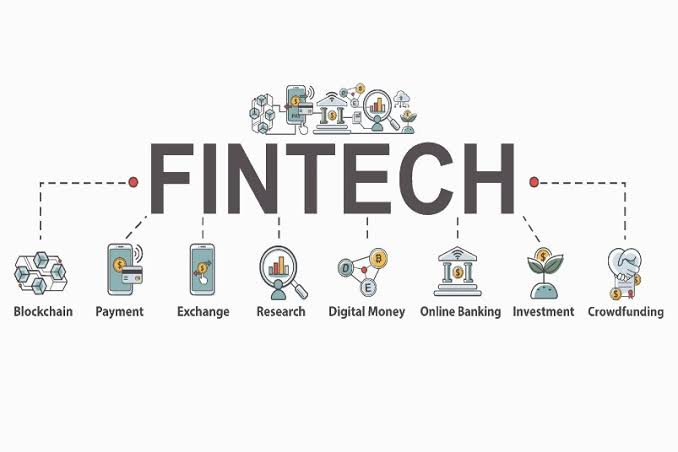
The global financial landscape is undergoing a monumental shift. For decades, traditional banking was characterized by physical branches, opaque fee structures, paper-heavy documentation, and rigid processing timelines. Today, Financial Technology (FinTech) has dismantled these conventional barriers, replacing legacy friction with seamless, software-driven solutions.
FinTech is no longer just a disruptive sector operating at the fringes of traditional finance; it has become the core architecture of modern financial ecosystems. From artificial intelligence and embedded banking to tokenized assets and open API networks, technology is redefining how individuals and businesses earn, save, invest, and transfer money across borders.
G&CO.
1. The Democratization of Financial Access
One of the most profound impacts of FinTech is the democratization of financial services. Historically, millions of individuals and small-to-medium enterprises (SMEs) were underserved or entirely excluded by traditional banks due to strict credit requirements, high minimum balances, or geographical constraints.
- Digital Wallets & Mobile First Banking: Digital wallets and mobile banking applications have bypassed the need for physical branch infrastructure, allowing anyone with a smartphone to access account services, transfer funds, and pay merchants instantly.
- Alternative Credit Scoring: Traditional credit scoring relies heavily on historical credit card usage and mortgage records. FinTech lenders leverage machine learning to analyze non-traditional data points—such as utility payments, cash flow velocity, and transaction histories—enabling credit access for previously unbanked populations.
- Fractional Investing: Investment platforms have eliminated exorbitant broker commissions and high barrier-to-entry minimums. Users can now purchase fractional shares of equities, bonds, or commodities with as little as a single dollar, fostering broader wealth-building opportunities.
2. Artificial Intelligence and Agentic Automation
Artificial Intelligence has evolved from basic chatbot interactions into a strategic operational layer across the financial sector. The transition toward autonomous, agentic AI workflows is reshaping both customer experiences and backend risk management.
+-----------------------------------------------------------------------+
|                         AI IN MODERN FINTECH                          |
+------------------------------------+----------------------------------+
| Customer Experience                | Backend Operations               |
+------------------------------------+----------------------------------+
| • Hyper-personalized financial plans| • Real-time fraud detection      |
| • Contextual product nudges        | • Automated underwriting         |
| • Agentic customer support         | • Continuous compliance audits   |
+------------------------------------+----------------------------------+
Hyper-Personalization
AI algorithms analyze spending habits, recurring subscriptions, and savings patterns in real time. Rather than offering blanket financial advice, platforms deliver context-aware recommendations, prompting users to optimize savings, manage debt, or rebalance portfolios automatically.
Advanced Fraud Detection and Risk Management
Financial fraud has grown increasingly sophisticated with the rise of digital transactions. FinTech platforms utilize predictive AI models that inspect millions of data signals simultaneously, flagging anomalous behavior and blocking fraudulent attempts in milliseconds—far outperforming manual review processes.
3. Embedded Finance: Banking Without the Bank
Financial transactions are increasingly moving into the background of daily activities. Embedded finance refers to the integration of financial tools—such as payments, lending, or insurance—directly into non-financial platforms.
- E-Commerce and BNPL: Buy Now, Pay Later (BNPL) integrations at online checkout pages allow consumers to finance purchases instantly without filling out traditional credit applications. itscredit
- Contextual Insurance: Ride-sharing and travel booking platforms now offer micro-insurance coverage directly within their applications, matching coverage specifically to the duration of a trip or delivery.
- Banking-as-a-Service (BaaS): Licensed financial institutions expose their infrastructure via secure Application Programming Interfaces (APIs), enabling tech startups, retail brands, and SaaS providers to issue branded cards and hold consumer deposits effortlessly.
By embedding financial actions directly into consumer workflows, FinTech removes operational friction and creates intuitive, single-click experiences.
4. Modern Payment Rails and Blockchain Integration
Cross-border money movement was historically plagued by long delays, high intermediary fees, and opaque FX markups. FinTech innovations are standardizing and accelerating payment rails globally.
Real-Time Gross Settlement (RTGS)
Account-to-account (A2A) payment networks enable instant fund transfers between bank accounts 24/7/365, bypassing credit card processing networks and significantly reducing transaction fees for merchants.
Tokenization and Stablecoins G&CO.
The maturation of distributed ledger technology (DLT) and regulatory-compliant stablecoins has established parallel rails for cross-border settlement. By facilitating peer-to-peer settlement without intermediary banking corridors, international trade and remittance fees drop dramatically, while settlement times shrink from days to seconds.
5. Open Banking and Regulatory Evolution
The shift toward Open Banking regulations worldwide is compelling traditional financial institutions to share customer-permissioned data with authorized FinTech developers securely through standardized APIs.
┌─────────────────┐       Standardized       ┌──────────────────────┐
│  Incumbent Bank │  ────────────────────>   │   FinTech Ecosystem  │
│ (Customer Data) │     Open APIs (PSD3)     │ (Aggregators, Apps) │
└─────────────────┘                          └──────────────────────┘
         │                                               │
         └───────────────────> ┌─────────────────────────┘
                               │ Customer Consent & Control
                               v
                       ┌──────────────┐
                       │ Consumer End │
                       └──────────────┘
This structural shift transforms data ownership, placing control firmly in the hands of the consumer. Users can aggregate accounts from multiple institutions into a single dashboard, easily switch between providers, and instantly compare interest rates, loan terms, and investment products.
To support this rapid digitalization safely, Regulatory Technology (RegTech) platforms automate compliance checks, Know Your Customer (KYC) identity verifications, Anti-Money Laundering (AML) monitoring, and transaction traceability—ensuring operational resilience while adhering to stringent privacy mandates.
The Road Ahead: Challenges and Strategic Horizon
Despite rapid advancement, the future of FinTech is not without obstacles:
- Cybersecurity Threats: As financial services digitize, vector attacks become more sophisticated, demanding robust zero-trust security architecture.
- Regulatory Fragmentation: Navigating evolving compliance rules across international jurisdictions requires continuous operational adjustment.
- Operational Resilience: System availability, latency management, and reliable partner API integrations are essential to maintaining consumer trust. G&CO.
The trajectory of digital finance is clear: financial services will become more personal, invisible, automated, and interconnected. Rather than replacing traditional banking entirely, FinTech is forging a collaborative hybrid environment where agility and technological precision define success. As innovation continues to compound, the global economy moves closer to a fully inclusive, real-time financial ecosystem.
Related