
Cybersecurity Strategies for Businesses and Individuals in 2026

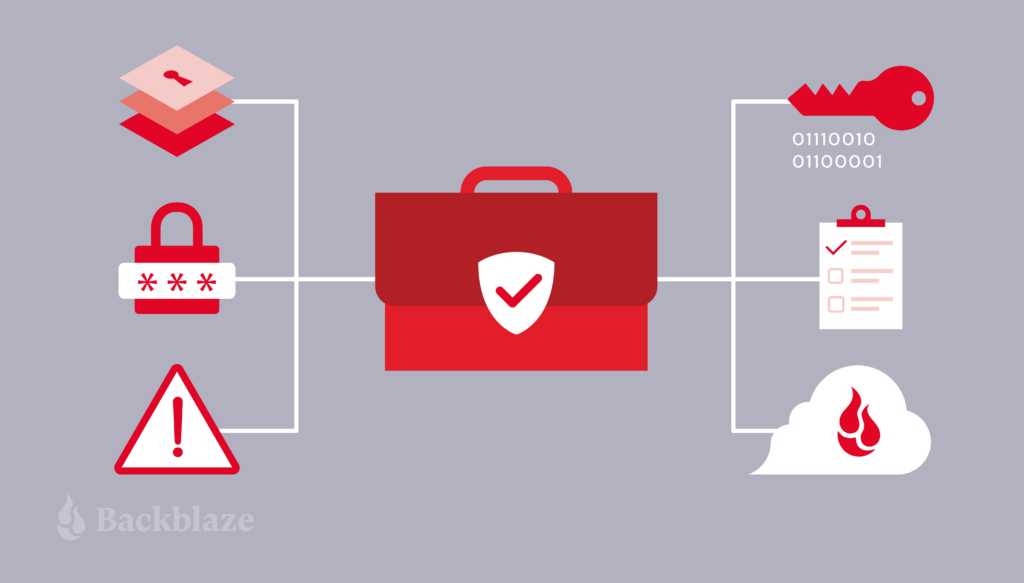
The digital landscape of 2026 is defined by a paradox: while technology has made our lives more efficient, it has also provided cybercriminals with a sophisticated arsenal. From AI-driven phishing to complex ransomware-as-a-service, the threats are more persistent than ever. To thrive, both organizations and individuals must shift from a reactive mindset to a proactive, resilience-based strategy.
1. Corporate Cybersecurity: Building a Resilient Enterprise
For businesses, cybersecurity is no longer just an "IT issue"—it is a core business risk that affects valuation, customer trust, and operational continuity.
A. The Zero Trust Architecture (ZTA)
The "castle-and-moat" approach to security is obsolete. Modern businesses must adopt Zero Trust, which operates on the principle: "Never trust, always verify."
- Identity as the New Perimeter: Every access request, whether from inside or outside the network, must be authenticated, authorized, and continuously validated.
- Micro-segmentation: Break your network into smaller zones. If a breach occurs in one area, micro-segmentation prevents the attacker from moving laterally to sensitive data.
B. AI-Powered Defense and Monitoring
As attackers use AI to find vulnerabilities, businesses must use AI-driven security operations (SecOps) to stay ahead.
- Extended Detection and Response (XDR): Utilize XDR platforms that use machine learning to correlate data across endpoints, networks, and clouds, detecting anomalies that human analysts might miss.
- Automated Incident Response: Implement playbooks that can automatically isolate a compromised device the moment a threat is detected.
C. Supply Chain and Third-Party Risk Management
In 2026, many breaches originate from a vendor or partner.
- Continuous Monitoring: Don't rely on annual audits. Use tools that provide real-time visibility into your vendors' security posture.
- Immutable Backups: Protect against ransomware by maintaining "immutable" backups—data that cannot be altered or deleted, even by someone with administrative access.
2. Personal Cybersecurity: Protecting the Digital Individual
For individuals, the goal is to reduce your "digital footprint" and harden your personal accounts against increasingly convincing social engineering.
A. Beyond Passwords: The Era of Passkeys
Passwords are the weakest link. In 2026, the transition to Passkeys is essential.
- What are Passkeys? They use biometric sensors (fingerprint, face ID) or hardware keys to log you in without a password, making them virtually immune to phishing.
- MFA is Mandatory: For accounts that don't yet support passkeys, Multi-Factor Authentication (MFA)—preferably using an authenticator app rather than SMS—is non-negotiable.
B. Guarding Against AI-Enhanced Social Engineering
Cybercriminals now use "Deepfake" technology to mimic voices or faces in video calls.
- Verify Identity: If a "family member" or "colleague" makes an urgent, unusual request for money or data, verify it through a separate, trusted channel.
- Privacy Hygiene: Limit the amount of personal information you share on social media. Attackers use these details to craft highly personalized "spear-phishing" attacks.
3. The Human Element: Training and Culture
Whether in a corporate office or a home setting, the "human firewall" remains the most critical layer of defense.
For Businesses:
- Simulated Phishing: Conduct regular, unannounced phishing simulations that reflect current trends (like fake AI-assistant notifications).
- Security-First Culture: Reward employees who report suspicious activities quickly rather than punishing those who make mistakes.
For Individuals:
- Stay Informed: Cybersecurity is a fast-moving field. Periodically reviewing the latest scam trends (like "quishing"—phishing via QR codes) can prevent you from becoming a victim.
4. Summary Checklist for 2026
| Action Item | For Businesses | For Individuals |
| Identity | Implement Zero Trust & Phishing-resistant MFA | Switch to Passkeys & Authenticator Apps |
| Data | Use Immutable Backups & Encryption | Use Cloud Backups & Encrypted Messaging |
| Software | Automated Patch Management | Enable "Auto-Update" on all devices |
| Network | Secure SD-WAN & Micro-segmentation | Use a reputable VPN & secure Home Wi-Fi |
Conclusion
Cybersecurity in 2026 is not about achieving "perfect" security—it is about resilience. For businesses, this means being able to operate through an attack and recover quickly. For individuals, it means building layers of defense that make you an "unprofitable target" for hackers. By embracing Zero Trust principles, utilizing AI for defense, and maintaining high "cyber hygiene," we can navigate the digital world with confidence.
Related